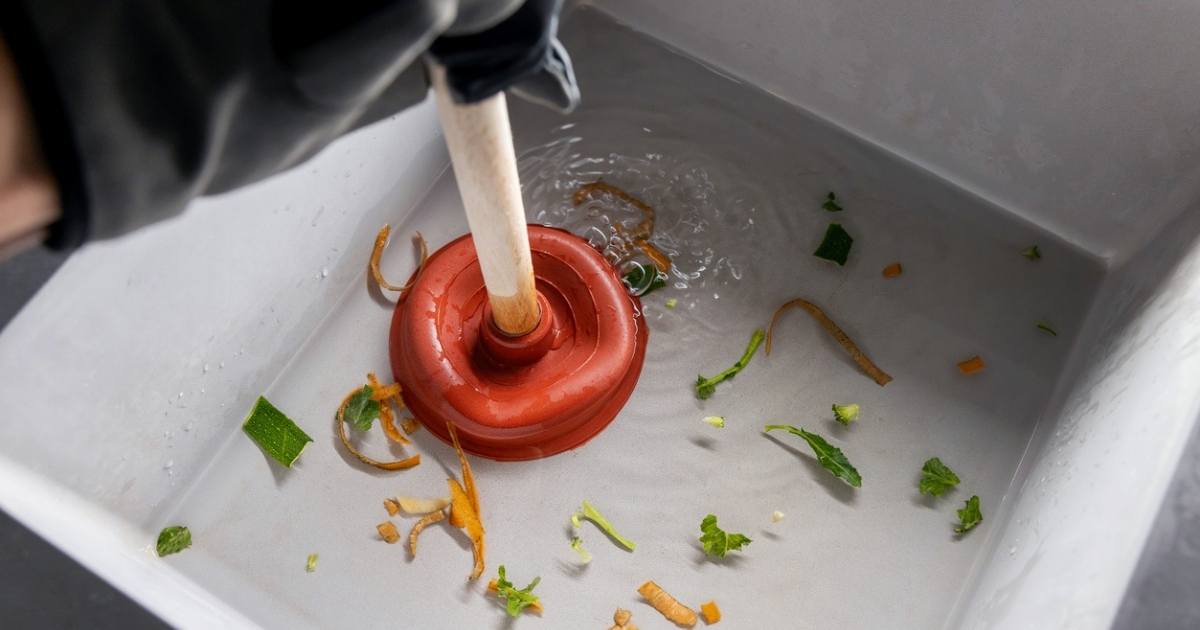
The holiday season is a time for cooking, cleaning, and hosting friends and family—but a clogged drain can quickly turn your festivities into a plumbing headache. Preparing your home ahead of time can help prevent unexpected backups, slow drains, and water damage that disrupt your celebrations.
If you're already facing a plumbing issue that needs immediate attention, don't delay your holiday plans—call us right away at (801) 760-7724 or reach out through our online contact form.
The Kitchen Sink: Your Holiday Workhorse
The kitchen sink takes on a monumental task during the holidays. From prepping the big dinner to cleaning up countless plates, it's constantly in use. The most common cause of holiday drain clogs starts right here: with what goes down the garbage disposal or the drain opening.
Many of the things we toss down the sink seem harmless, but they can build up over time, forming a stubborn blockage deep within your pipes. It's especially critical to be mindful of this during the high-volume cooking and cleaning that happens when you host large holiday meals.
Fats, Oils, and Grease (FOG): The Drain Destroyer
Fats, oils, and grease—often collectively called FOG—are the biggest culprits in kitchen clogs. When hot, they pour easily down the drain. But as they cool, they solidify, sticking to the inside walls of your pipes. Over time, this sticky residue catches other food particles, narrowing the pipe until water can barely pass through.
- Never Pour FOG Down the Drain: This includes pan drippings, leftover cooking oil, and grease from bacon or roasted meats.
- Wipe Down Pans First: Before rinsing dishes, use a paper towel to wipe out excess grease and oil from pots and pans, and toss the towel in the trash.
- Collect and Dispose: Pour cooled grease into a sealed, non-recyclable container (like an old coffee can or glass jar) and throw it in the garbage.
By following these simple steps, you drastically reduce the sticky buildup that leads to most kitchen sink clogs. It might take a moment longer during cleanup, but it's well worth the effort to avoid a backed-up sink on Christmas Day.
Smart Use of Your Garbage Disposal
The garbage disposal is a convenience, but it is not a trash can. It’s designed to handle small amounts of soft food scraps and turn them into tiny pieces. When you overload it or put in things it can’t handle, those shredded pieces can still gather and create a blockage further down the pipe.
Here are a few things that should always go into the trash, not your disposal:
- Fibrous Foods: Vegetable and fruit peels (like potato skins, carrot peels, or asparagus ends), celery strings, and corn husks can wrap around the disposal blades, leading to jams or causing dense, matted clogs.
- Coffee Grounds: While they may seem to wash down easily, coffee grounds are dense and can accumulate in the piping’s trap or elbows, forming a sludge-like blockage.
- Pasta and Rice: These starches expand when they absorb water. Even if they are finely ground, they can continue to expand inside your pipes, creating a dense blockage.
- Eggshells: The membrane inside an eggshell can wrap around the blades, and the fine, sand-like shell material can contribute to sludge buildup.
When using your disposal, always run a strong, steady stream of cold water before, during, and for at least 30 seconds after you've finished feeding scraps into it. This helps flush the debris all the way out of your home’s immediate plumbing and into the main sewer line.
Protecting Your Bathroom Drains
While the kitchen gets the spotlight, your bathroom drains also see increased activity during the holidays, especially if you have out-of-town guests. Hair, soap scum, and small items are the typical culprits here, but a little awareness can make a big difference.
Long hair, shaving stubble, and the residue from thick soaps, conditioners, and lotions are the main enemies of shower and sink drains. These products mix to form a sticky, slimy substance that clings to the pipe walls and catches hair, leading to clogs.
- Use a Drain Screen or Hair Catcher: These simple, inexpensive tools are highly effective at preventing hair from entering the drain in the first place.
- Avoid Dumping Product: Don't rinse large amounts of thick facial masks or globs of old lotions down the sink. Scrape them into the trash instead.
- Run Hot Water: After someone finishes a shower or bath, let the hot water run for an extra minute to help dissolve and flush away soap scum and product residue.
Preventative Maintenance to Keep Water Flowing
Regular, gentle maintenance can help break up minor clogs before they become major problems. Remember, this isn’t a guaranteed fix for a deep, stubborn blockage, but it's a helpful step for routine pipe care.
The Hot Water Flush
A simple hot water treatment can go a long way in managing minor FOG or soap scum buildup. The key is to use very hot, but not boiling, water and to be patient.
Fill a large pot with water and heat it on the stove until it’s hot, but stop just short of a rolling boil to protect your seals and pipes. Slowly pour the hot water down the drain. The heat can help soften and flush away minor, fresh grease or soap deposits that have built up on the pipe walls. You can repeat this process a few times for better results.
Natural Drain Cleaner Solution
For a non-toxic way to keep drains smelling fresh and clear of minor buildup, a baking soda and vinegar treatment can be very effective. This method uses a safe, natural chemical reaction to help dislodge small debris.
- Pour about half a cup of baking soda directly down the drain.
- Follow it with half a cup of white vinegar.
- The mixture will foam and fizz—this is the reaction at work!
- Plug or cover the drain loosely for about 30 minutes to let the mixture work on the residue.
- After 30 minutes, flush the drain thoroughly with hot water.
We encourage homeowners in Provo and throughout Utah County to consider this a monthly habit to keep things running smoothly. This is a great, gentle way to care for your plumbing without resorting to harsh chemical drain cleaners. Chemical cleaners are often only a temporary fix and can sometimes damage your pipes over time, which is why we generally advise against them.
When to Bring in the Professionals
While these tips will handle most minor issues, sometimes a clog is too deep, too tough, or too far down the line for a DIY solution. This is especially true if you are experiencing slow drains in multiple fixtures—like a sluggish sink and shower—which can signal a problem with a main drain line.
Attempting to force a stubborn blockage can sometimes push the problem deeper, or in the worst cases, damage your pipes, leading to a much more expensive repair. If you’ve tried the gentle methods and water still won’t flow freely, it’s time to call in a professional plumber. We have the specialized tools, like drain snakes and hydro-jetting equipment, to safely and effectively clear out any blockage without compromising your home's plumbing infrastructure.
If you’re noticing signs like gurgling noises, standing water, or unpleasant odors, don't wait for a holiday plumbing emergency. Gillette Heating And Air Conditioning is here to offer reliable plumbing services to get your system flowing perfectly before your guests arrive.
Reliable Plumbing Help for Utah County Homeowners
Don't let plumbing worries interrupt your holiday cheer. Proactive care is the best way to ensure a smooth, stress-free hosting season. By being mindful of what goes down your drains—especially in the kitchen—you can avoid the headache of a frustrating clog.
If a blockage does get past your preventative efforts, know that Gillette Heating And Air Conditioning is the team you can count on for prompt, expert service. We're ready to help homeowners throughout Provo and the entire Utah County area keep their homes comfortable and their plumbing clear.
Contact us through our online contact form or call (801) 760-7724 today to schedule a service and keep your home in top shape this holiday season.