A heating system failure on a freezing Utah night can be stressful, especially when you rely on your furnace or heat pump to keep your home comfortable. Many common issues can be resolved quickly, but some require professional attention. Knowing the right steps to troubleshoot can help you stay warm while avoiding further damage to your system.
If your home is already cold, reach out now for immediate help through our online contact form or call us at (801) 760-7724. Your comfort and safety are our top priority.
Basic First Steps: The Quick Checks
When the heat goes out, the first step is to check the most basic components of your system. These items are often the culprit and are simple to fix without any special tools or expertise. Taking a few minutes to check these items can save you an emergency service call.
1. Check Your Thermostat Settings
Believe it or not, the thermostat is one of the most common reasons for a heating system issue. Someone might have accidentally changed a setting, or the batteries could be dead.
- Is it set to "Heat"? Ensure the mode is correctly set to "Heat" and not "Cool" or "Off."
- Check the Temperature: Make sure the desired temperature is set at least 5 to 10 degrees higher than the current room temperature. Your system won't kick on if the room is already warm enough.
- Battery Check: If your thermostat has a digital display and runs on batteries, try replacing them. Low batteries can cause the display to fail or the unit to communicate incorrectly with your furnace or heat pump.
2. Inspect the Power Source
Like any major appliance, your heating system requires an uninterruptible power supply. A simple trip of a breaker can shut down your entire unit.
- The Breaker Box: Go to your home's electrical panel (breaker box) and look for the breaker switch labeled for your furnace or heat pump. If it is in the "Off" position or halfway between "On" and "Off" (tripped), flip it completely to "Off" and then firmly back to "On."
- The Furnace Switch: Most furnaces also have a dedicated light switch mounted near the unit, often on a wall. This looks like a regular light switch but is only for the furnace. Check that this switch is in the "On" position.
3. Air Filter Condition
A dirty air filter restricts airflow, which can cause your furnace or heat pump to overheat and automatically shut down as a safety measure. This is known as short cycling—the unit runs briefly and then stops.
A clogged filter not only impacts the air quality in your Provo home but can also severely damage your heating equipment over time. Pull out the filter and inspect it. If it is gray with a thick layer of dust and dirt, it needs to be replaced immediately. We recommend checking your filter every month and replacing it every 1 to 3 months, especially during heavy-use seasons.
Understanding Your Heating System: Furnaces and Heat Pumps
To troubleshoot effectively, it helps to understand the difference between the two main types of heating systems homeowners use throughout Utah County. Both furnaces and heat pumps provide warmth, but they operate differently and have unique points of failure. For more information on your specific equipment, you can visit our heating services page.
How a Gas Furnace Works
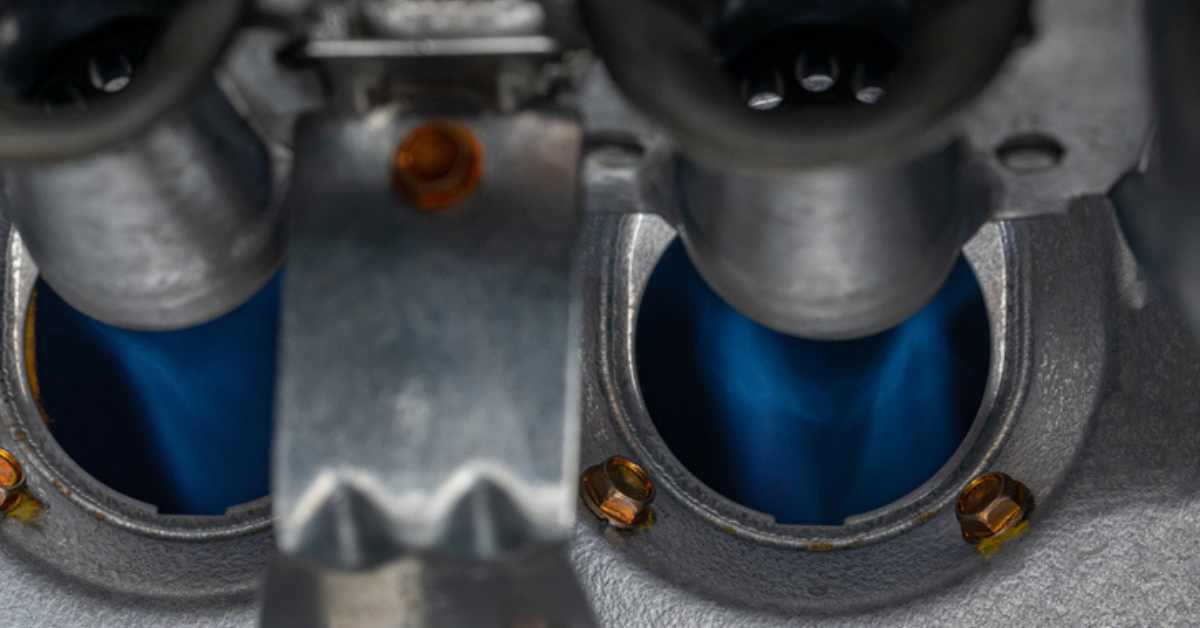
A gas furnace uses natural gas or propane to create heat. This heat is generated inside a component called a heat exchanger and then a blower fan distributes the warm air through your home's ductwork. A crucial safety component is the flame sensor, which ensures that gas is only released when there is a flame to ignite it.
Common Furnace-Specific Issues
If your thermostat is working and the power is on, a furnace that isn't producing heat might be experiencing one of the following:
- Pilot Light/Ignition Problem (Older Furnaces): Older furnaces may have a pilot light—a small, continuous flame. If this is out, the furnace won't fire up. Follow the instructions on the furnace panel to safely re-light it. Newer furnaces use electronic ignition, which is safer and more reliable. If you smell gas, do not attempt to relight a pilot light.
- Faulty Flame Sensor: If your furnace turns on but then immediately shuts off, the flame sensor may be dirty or failing. This sensor is designed to detect the presence of the flame. If it's coated in soot or dirt, it can't "see" the flame and mistakenly shuts down the gas valve as a safety precaution. Cleaning it requires careful handling and is often best left to a trained technician.
How a Heat Pump Works
Unlike a furnace, a heat pump doesn't generate heat; it simply moves it. In the winter, it pulls residual heat from the cold outdoor air (yes, even cold air has heat!) and transfers it inside your home. Because it doesn't burn fuel, it is an extremely energy-efficient way to heat and cool a home.
Common Heat Pump-Specific Issues
When a heat pump isn't heating, the problem is often related to the unit outside or its defrost cycle.
- Defrost Mode: Heat pumps must occasionally run a defrost cycle to melt any ice buildup on the outdoor unit's coils. During this time, the unit temporarily switches to a cooling cycle and uses an auxiliary heat source (if available) to keep your home warm. It’s normal for the outdoor unit to look like it’s steaming or melting ice. If the unit remains caked in ice for hours, there may be a problem with the defrost timer or sensor.
- Auxiliary Heat: If the temperature drops extremely low (especially below freezing), your heat pump may struggle to find enough heat outside. This is when the auxiliary heat (often electric resistance coils) kicks in. You'll see "Aux Heat" or "Emergency Heat" on your thermostat. While effective, this heat is much more costly to run than the heat pump. If you see this mode running constantly, it indicates your heat pump may need service.
Essential Maintenance: Preventing Future Cold Nights
The best way to avoid a heating emergency in your Utah County home is through proactive, regular maintenance. Just like your car, your furnace or heat pump needs an annual tune-up to run efficiently and safely all winter long.
Annual maintenance offers several benefits:
- Restored Efficiency: A clean and tuned system runs much more efficiently, saving you money on your monthly energy bills.
- Extended System Lifespan: Regular check-ups catch small issues before they become expensive breakdowns, ensuring your unit lasts for its expected lifespan.
- Enhanced Safety: For gas furnaces, maintenance ensures that the heat exchanger is not cracked, which can lead to dangerous carbon monoxide leaks.
During a professional maintenance visit, an expert technician will perform critical checks and cleanings:
- Safety Checks: Verifying electrical connections, gas pressure, and checking for carbon monoxide leaks.
- Component Cleaning: Cleaning the flame sensor, checking and adjusting the burners, and lubricating any moving parts.
- Performance Test: Testing the thermostat, measuring airflow, and ensuring proper temperature rise across the unit.
When to Call the HVAC Experts at Gillette Heating And Air Conditioning
While simple troubleshooting can often fix minor issues, there are certain situations where calling a professional is the safest and most reliable course of action. Do not attempt to fix these problems yourself. You should contact a certified HVAC technician if you notice any of the following:
- Smell of Gas: If you smell natural gas or propane near your furnace, leave the house immediately, call the gas company from a safe location, and then call us.
- Strange Noises: Loud banging, grinding, squealing, or scraping noises coming from your unit often signal a mechanical failure, such as a broken belt or blower wheel.
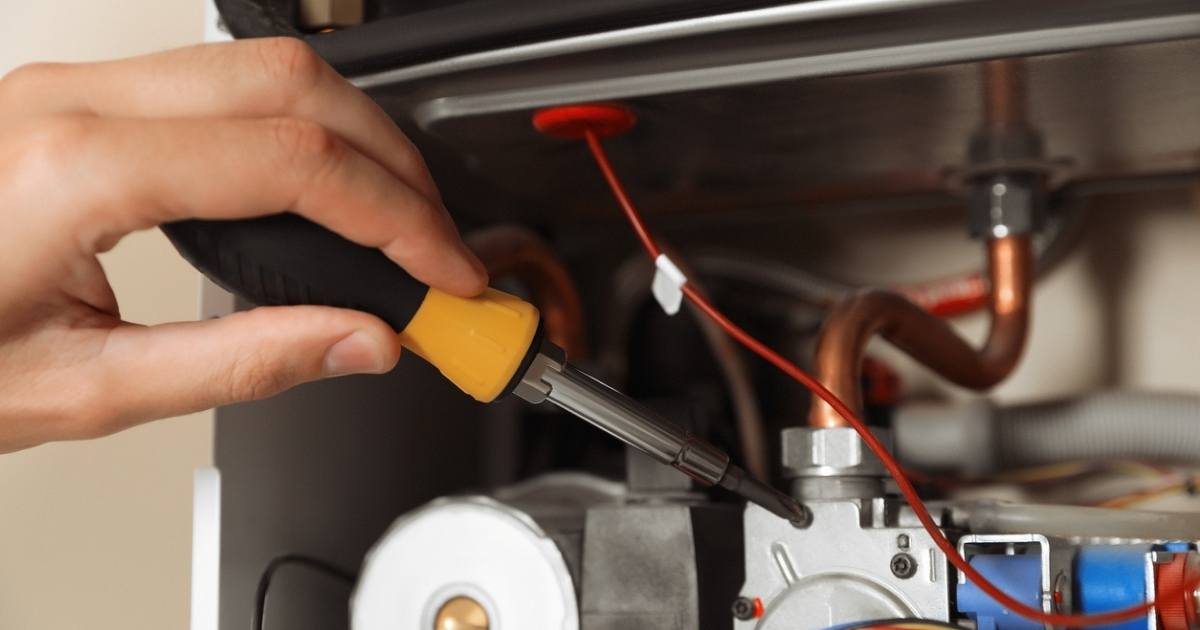
- No Heat After Troubleshooting: If you have checked the thermostat, power, and filter, and the unit still won't turn on or stay on, the problem is likely an internal component failure that requires expert diagnosis and repair.
- Pilot Light Keeps Going Out: If you must frequently re-light an older furnace's pilot light, there is likely an issue with the gas valve or a thermocouple that needs professional attention.
Contact Gillette Heating And Air Conditioning for Expert Heating Repair
If you’ve completed the troubleshooting steps and your Provo or Utah County home is still cold, it’s time to bring in the team you can trust. At Gillette Heating And Air Conditioning, we understand the urgency of a broken heating system on a cold night. Our certified, friendly technicians are ready to diagnose and repair your furnace, heat pump, or ductless system quickly, restoring warmth and comfort with clear, reliable service.
Contact us today through our online contact form or call us at (801) 760-7724 to schedule a reliable heating service.

.2512080218229.jpg)