.2512080218229.jpg)
Winter in Utah County brings cold temperatures that put your furnace to the test. When your heating system shows warning signs of trouble, catching them early can save you from expensive repairs and uncomfortable nights. Understanding what to watch for helps you know when it's time to call in a professional before a small issue turns into a major breakdown.
Is your furnace making strange noises or not heating your home properly? Don't wait until you're left in the cold. Contact Gillette Heating And Air Conditioning through our online contact form or call (801) 760-7724 today for fast, reliable service.
Unusual Noises Coming From Your Furnace
Your furnace should run relatively quietly in the background. When you start hearing sounds that weren't there before, your system is trying to tell you something is wrong.
Common warning sounds include:
- Banging or popping: Often indicates problems with the ductwork expanding and contracting, or issues with the ignition system
- Squealing or screeching: Usually points to a worn-out belt or motor bearing that needs attention
- Rattling: May suggest loose components, debris in the system, or ductwork problems
- Grinding: Often signals motor bearing failure that requires immediate repair
Any new or loud noise deserves attention from a trained technician. Ignoring these sounds can lead to more extensive damage and higher repair costs down the road. What starts as a minor belt issue can quickly escalate into a complete motor failure if left unchecked.
Your Energy Bills Are Climbing
Have you noticed your heating bills increasing even though you haven't changed how you use your thermostat? A sudden spike in energy costs often means your furnace is working harder than it should to maintain your desired temperature. This inefficiency can stem from several issues, including dirty filters, worn components, or aging equipment that's losing its effectiveness.
Compare your current bills to the same months from previous years. If you see a significant increase without a corresponding change in usage or utility rates, your furnace likely needs professional attention. A system that's struggling to heat your home efficiently is not only costing you more money but also wearing itself out faster.
Inconsistent Heating Throughout Your Home
Walking from room to room shouldn't feel like traveling between different climate zones. If some rooms in your home stay cold while others get too warm, your heating system isn't distributing air properly. This problem can result from ductwork issues, thermostat malfunctions, or a furnace that's no longer powerful enough to push heated air throughout your entire home.
Sometimes the issue relates to blocked vents or closed registers, which you can check yourself. However, when adjusting these doesn't solve the problem, you're likely dealing with a more serious issue that requires professional diagnosis. Uneven heating not only affects your comfort but can also indicate that your furnace is working overtime in an attempt to compensate.
The Pilot Light Shows the Wrong Color
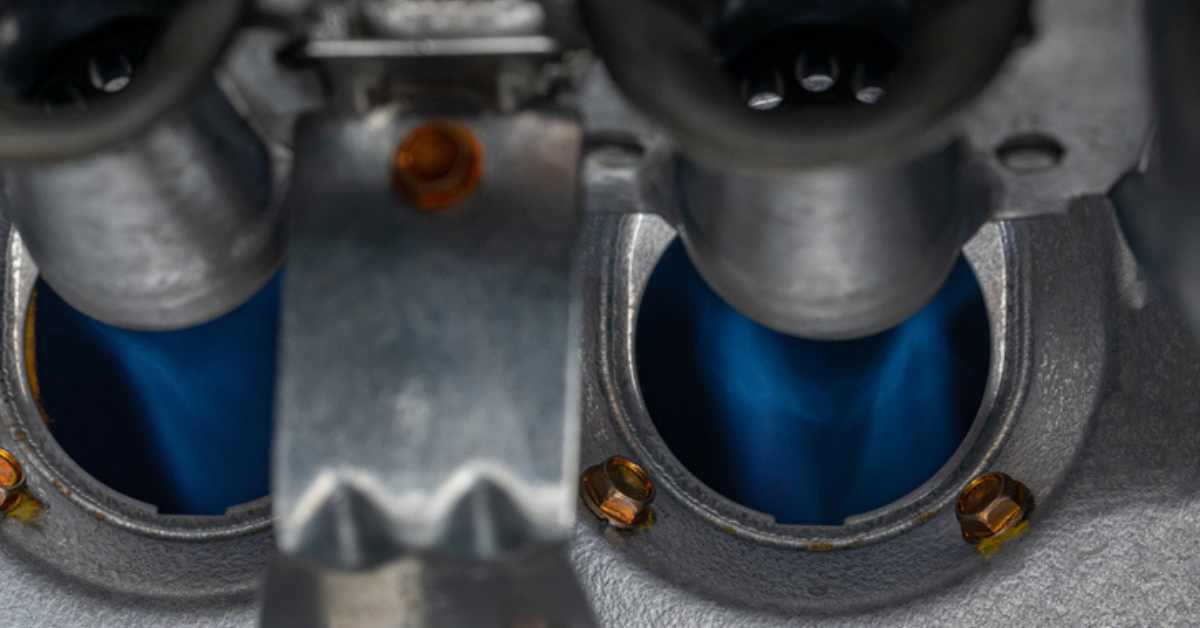
For gas furnaces with a visible pilot light, the flame color tells you a lot about how your system is performing. A healthy pilot light burns steady and blue. When you see yellow, orange, or flickering flames, this signals incomplete combustion and potentially dangerous carbon monoxide production.
A yellow flame means your furnace isn't burning gas efficiently. This wastes fuel, increases your heating costs, and poses a serious safety risk to your household. Carbon monoxide is odorless and colorless, making it impossible to detect without proper equipment. If you notice your pilot light burning any color other than blue, turn off your furnace immediately and call for furnace repair right away.
Your Furnace Cycles On and Off Frequently
Short cycling happens when your furnace turns on, runs for a brief period, shuts off, and then repeats this pattern continuously. This behavior indicates several possible problems, from a malfunctioning thermostat to an overheating system or an oversized furnace for your home's needs. Short cycling puts tremendous stress on your equipment, significantly shortening its lifespan while driving up your energy bills.
A properly functioning furnace should run in longer, complete cycles to heat your home efficiently. When it constantly stops and starts, it never reaches optimal efficiency. This pattern also prevents your home from maintaining a consistent, comfortable temperature. Address short cycling quickly to prevent permanent damage to your system.
Strange Smells When Your Furnace Runs
Your nose can be one of the best tools for detecting furnace problems. While a slight dusty smell when you first turn on your furnace for the season is normal, persistent or unusual odors require immediate attention.
Warning smells to watch for:
- Burning plastic or rubber: Suggests electrical problems or melting components
- Rotten eggs or sulfur: Indicates a dangerous gas leak that requires immediate evacuation and emergency services
- Musty or moldy odors: Points to moisture problems or biological growth in your ductwork
- Metallic or burning smell: May signal overheating parts or excessive friction
Never ignore persistent strange smells from your heating system. Some odors indicate immediate safety hazards, while others signal damage that will worsen over time. When you detect any unusual smell, turn off your furnace and contact a professional to inspect your system.
Your Furnace Is Over 15 Years Old and Showing Signs
Age matters when it comes to heating equipment. Most furnaces last between 15 and 20 years with proper care and regular maintenance. As your system approaches or exceeds this age range, repairs become more frequent and more expensive. Older furnaces also run less efficiently than newer models, costing you more in monthly energy bills.
Consider the age of your system when deciding between repair and replacement. If your aging furnace needs frequent fixes, the repair costs can quickly approach the price of a new, more efficient system. A professional can help you evaluate whether continued repairs make financial sense or if investing in a new furnace would serve you better in the long run.
The Thermostat Isn't Responding Correctly
Your thermostat serves as the command center for your heating system. When it malfunctions, your furnace can't operate properly even if the heating unit itself is in perfect condition. Signs of thermostat problems include rooms that never reach the set temperature, the furnace not turning on when it should, or the system running constantly without cycling off.
Sometimes thermostat issues are simple fixes, like replacing batteries or adjusting the settings. Other times, the thermostat itself needs replacement, or the wiring requires professional attention. Before assuming your furnace is broken, have a technician check your thermostat to rule out this common but often overlooked source of heating problems.
Poor Air Quality or Excessive Dust
A failing furnace often creates noticeable changes in your home's air quality. If you're dealing with more dust than usual, family members experiencing increased allergies or respiratory irritation, or air that feels stale, your furnace may be circulating contaminants instead of filtering them out properly. A cracked heat exchanger, clogged filters, or ductwork problems can all contribute to declining indoor air quality.
Your heating system should help maintain clean, healthy air in your home throughout the winter. When it becomes part of the problem instead of the solution, professional intervention is necessary. Poor air quality affects your health and comfort, making this issue too important to ignore.
Schedule Your Utah County Furnace Repair Today
Recognizing these warning signs helps you address furnace problems before they leave you without heat on the coldest nights of the year. Whether you're hearing strange noises, noticing uneven heating, or simply concerned about your aging system, taking action now prevents bigger headaches later. The team at Gillette Heating And Air Conditioning has the experience and training to diagnose and fix any furnace issue quickly and effectively.
Don't let a struggling furnace compromise your family's comfort and safety this winter. Reach out to Gillette Heating And Air Conditioning through our online contact form or call (801) 760-7724 to schedule your furnace inspection or repair service today.