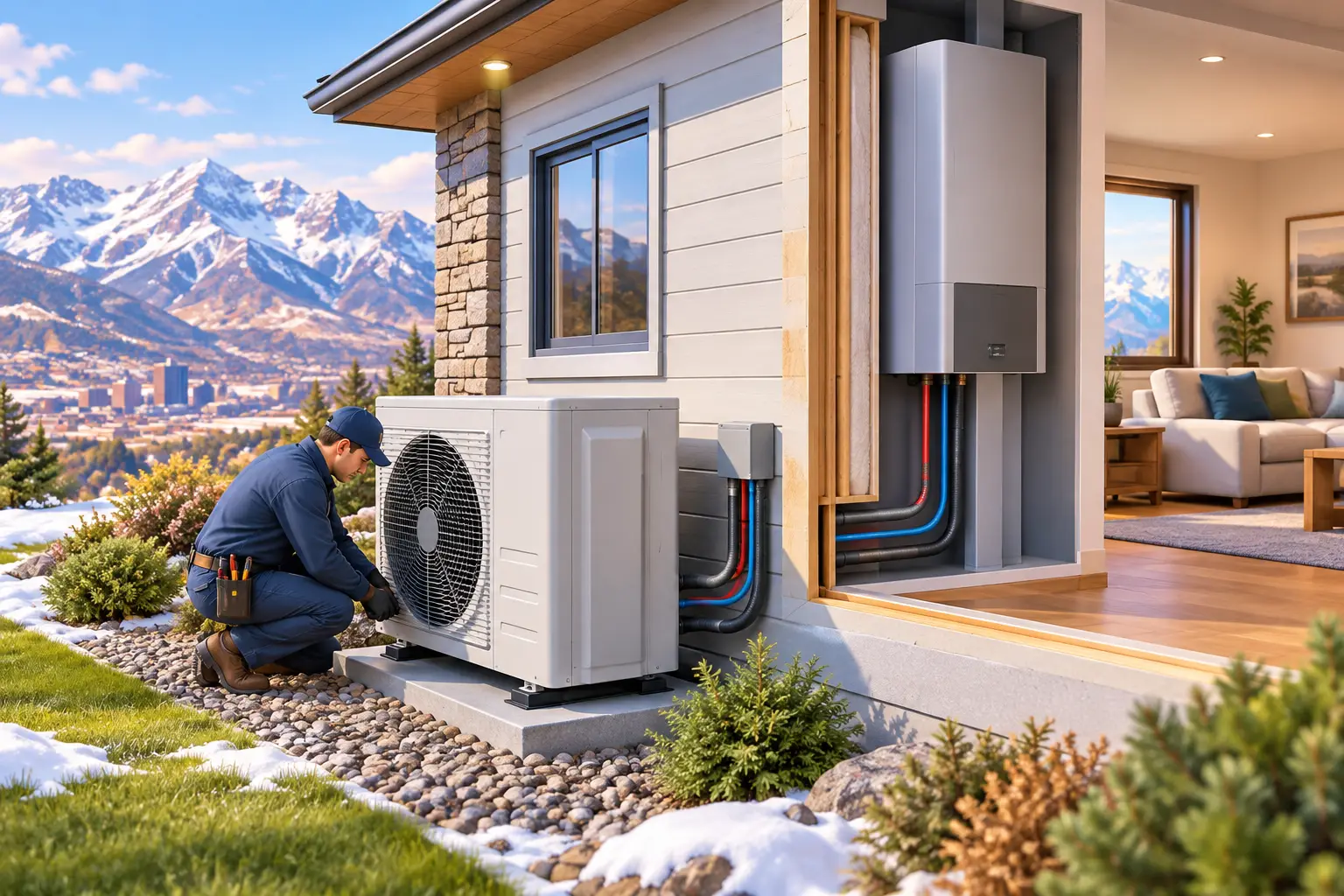
A heat pump should not be chosen from a brochure or sized by the old furnace’s label. Proper heat pump installation starts with your home: how it loses heat on a January night, how the sun warms it in July, the condition of the ductwork, and the rooms your family actually uses. Get those details right, and one system can provide efficient heating and cooling through Utah’s changing seasons.
Why Heat Pumps Make Sense in Utah
A heat pump moves heat rather than creating it through combustion. In cooling mode, it carries heat out of your home much like a central air conditioner. In heating mode, it pulls available heat from outdoor air and brings it indoors. Even cold winter air contains heat that modern cold-climate equipment can use.
That matters for homeowners who want efficient year-round comfort without maintaining separate heating and cooling equipment. A heat pump can also reduce reliance on gas, eliminate combustion at the equipment, and pair well with smart thermostats and zoning controls.
Still, it is not a one-size-fits-all answer. Utah County and surrounding areas can see freezing temperatures, dry air, sharp overnight swings, and hot summers. The right equipment may use electric backup heat, a dual-fuel setup with an existing gas furnace, or a cold-climate heat pump designed to maintain stronger output at low temperatures. The best choice depends on the house, your utility costs, and your comfort priorities.
What a Professional Heat Pump Installation Includes
Installation day is only one part of the job. The real work begins before equipment arrives, with an evaluation that makes sure the new system fits the property instead of forcing the property to fit the system.
A load calculation, not a guess
A qualified technician should calculate heating and cooling loads. This review considers square footage, ceiling height, window placement, insulation, air leakage, orientation, occupancy, and more. A larger unit is not automatically better. Oversized equipment can start and stop too often, waste energy, create temperature swings, and struggle to control humidity during cooling season.
An undersized unit has the opposite problem: it may run constantly during extreme weather and lean too heavily on backup heat. Correct sizing helps the system run at a steady, efficient pace while keeping rooms comfortable.
Equipment selection for the way you live
After sizing, the contractor should discuss system options in plain language. A standard ducted heat pump may be a practical replacement for a central air conditioner and furnace arrangement. A variable-speed model can make small output adjustments for more even temperatures and quieter operation. A ductless mini-split may be ideal for an addition, garage conversion, or a room that never matches the rest of the house.
For homes with a gas furnace in good condition, a dual-fuel system can be worth considering. The heat pump handles much of the heating season, while the furnace takes over when outdoor temperatures reach a set point. This approach can offer dependable cold-weather performance without replacing every component at once.
Ductwork and airflow checks
New HVAC equipment cannot overcome poorly designed, damaged, or leaking ducts. Before installation, airflow should be evaluated throughout the home. Restricted returns, undersized supply runs, disconnected duct sections, and large attic leaks can limit comfort and efficiency regardless of how advanced the outdoor unit may be.
Some homes need only minor sealing or balancing. Others benefit from duct modifications, added returns, or zoning. If upstairs bedrooms stay too warm in summer or a finished basement stays cold in winter, bring that up during the estimate. Those comfort problems are often airflow problems, not simply thermostat problems.
Electrical, drainage, and placement details
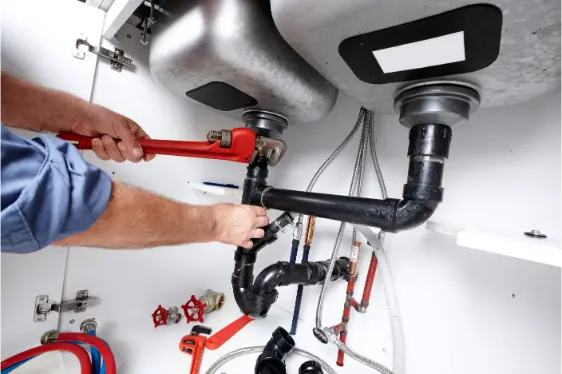
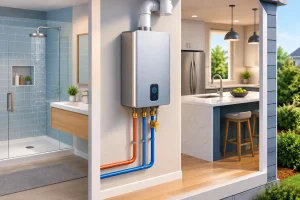
Heat pumps require proper electrical capacity and safe connections. The installer may need to add or modify a circuit, disconnect, or breaker. Indoor equipment also produces condensate during cooling and defrost cycles, so the drain line must be correctly routed and tested.
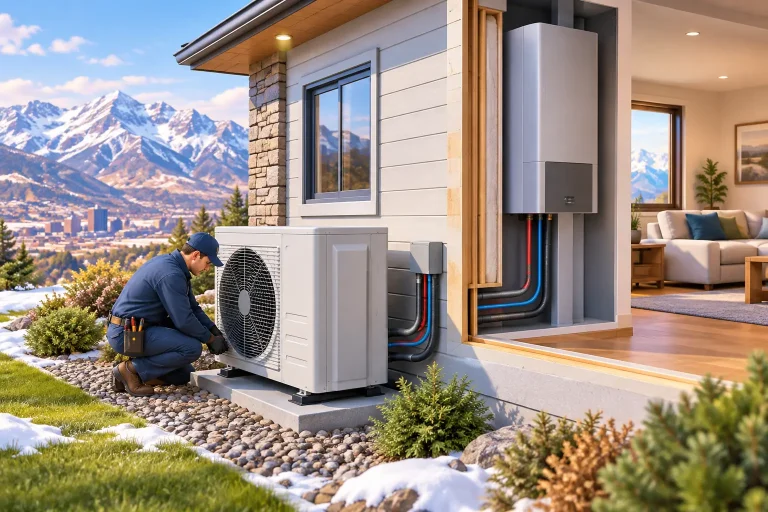
Outdoor-unit placement deserves attention, especially in snowy areas. The unit needs adequate clearance for airflow, service access, drainage, and snow management. It should sit on a stable base and be positioned with local conditions in mind. A rushed placement can lead to noise concerns, ice buildup, or difficult maintenance later.
Questions to Ask Before You Approve the Estimate
A clear estimate should explain what equipment is being installed, what work is included, and what may affect the final scope. You deserve direct answers before the work starts, not surprises after the system is in place.
Ask whether the proposal includes load calculations, permit handling when required, ductwork changes, electrical upgrades, thermostat replacement, refrigerant-line work, and removal of old equipment. Also ask how the system will perform in low temperatures and whether it uses backup electric heat or a dual-fuel furnace.
Efficiency ratings matter, but they should not be the only deciding factor. A higher-efficiency system can be a smart long-term investment, particularly when paired with available rebates or financing. But a well-installed mid-range system will usually serve a home better than premium equipment installed without proper sizing, airflow, or commissioning.
It is also reasonable to ask about warranties, maintenance requirements, and who will handle service if an issue comes up. Manufacturer-backed equipment is valuable, but long-term performance also depends on the people who install and maintain it.
Preparing Your Home for Installation Day
Most homeowners do not need to do much, but a little preparation keeps the project moving. Clear access around the indoor unit, electrical panel, and outdoor equipment location. Move vehicles, storage items, and fragile belongings away from the work area. If the system is in an attic, crawlspace, utility closet, or finished basement, make sure the path is accessible.
Expect technicians to protect floors and work areas, remove the existing equipment, install and connect the new components, and test the system in heating and cooling modes when conditions allow. The timeline varies. A straightforward replacement may take a day, while electrical work, duct modifications, or a more involved system conversion can take longer.
Before the crew leaves, ask for a walkthrough. You should know how to use the thermostat, replace filters, recognize normal operating sounds, and respond if the system displays an alert. You should also receive the model information and warranty documentation for your records.
The Commissioning Step That Protects Performance
A heat pump is not ready just because it turns on. Proper commissioning verifies that the system is operating as designed. This includes checking refrigerant charge, electrical readings, airflow, thermostat settings, temperature split, drainage, and safety controls.
This step is where careful installation separates itself from a quick equipment swap. Small setup errors can affect efficiency, capacity, noise, and equipment life. A system may appear to work while still costing more to run or delivering uneven comfort.
If your home has multiple zones, a smart thermostat, or a dual-fuel configuration, setup matters even more. Controls must be programmed so the equipment changes modes correctly and uses backup heat only when it should.
Keep the New System Working Like New
A heat pump works hard in every season, so maintenance is not optional if you want dependable performance. Check or replace filters regularly based on the filter type, pets, dust levels, and household activity. Keep leaves, weeds, snow, and stored items away from the outdoor unit. Avoid closing off too many supply vents, which can reduce airflow and strain the system.
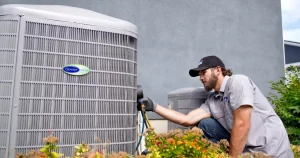
Professional maintenance should include cleaning, inspecting electrical components, verifying drainage, checking refrigerant performance, and reviewing the full heating and cooling operation. Service before the heavy-use seasons can catch small concerns before they become a no-heat or no-cooling call.
For homeowners who prefer predictable care, a maintenance plan can provide scheduled tune-ups, priority service, and savings on repairs. That is particularly useful for a system intended to handle both summer cooling and winter heating.
A Better Installation Starts With an Honest Evaluation
The right heat pump can make a home quieter, more consistent, and less expensive to heat and cool. But the equipment is only part of the decision. Correct sizing, duct performance, electrical readiness, cold-weather strategy, and careful commissioning determine whether the system delivers on its promise.
At Gillette Services, the goal is to give homeowners a clear recommendation based on the home in front of us, without the runaround. A thoughtful evaluation now gives your family a more comfortable place to come home to when the next Utah temperature swing arrives.