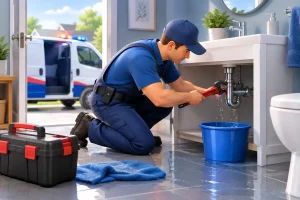
A burst pipe at 2 a.m. does not wait for business hours. Neither does a backed-up sewer line before guests arrive, a failed water heater on a cold Utah morning, or a toilet overflowing in a busy business. A 24 hour emergency plumbing service gives you a clear next step when water, wastewater, or a plumbing failure threatens your property.
The goal is not simply to get someone to the door quickly. It is to stop the immediate damage, identify the real cause, and make a repair that protects your home or business without the runaround. Knowing what qualifies as a plumbing emergency – and what to do while help is on the way – can save considerable stress and expense.
What Counts as a Plumbing Emergency?
A plumbing problem is an emergency when delaying repairs could cause property damage, create a health concern, leave you without essential water service, or interrupt business operations. Water spreads fast through flooring, walls, insulation, and cabinets. Sewage exposure brings a separate sanitation risk. In either case, waiting until morning can turn a contained repair into a much larger restoration project.
A pipe that has burst or is actively leaking is one of the clearest reasons to call right away. So is a sewer backup that is pushing wastewater into a tub, shower, floor drain, or toilet. If you smell gas near a gas water heater, leave the area, avoid switches and open flames, and contact your gas utility or emergency services before arranging plumbing service.
No hot water is not always an after-hours emergency. It depends on the situation. A single homeowner may be able to wait for a scheduled appointment, while a household with young children, an elderly resident, or a commercial property that depends on hot water may need immediate help. The same judgment applies to a dripping faucet versus a leak that is soaking a ceiling below it.
The First Five Minutes Matter
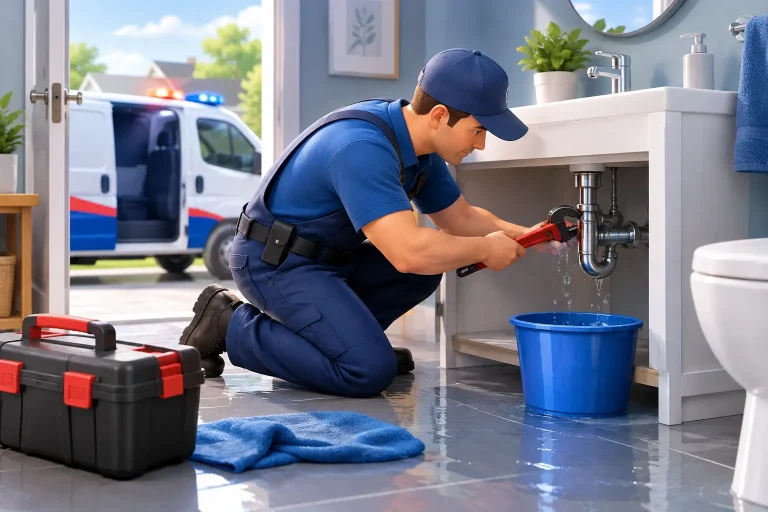
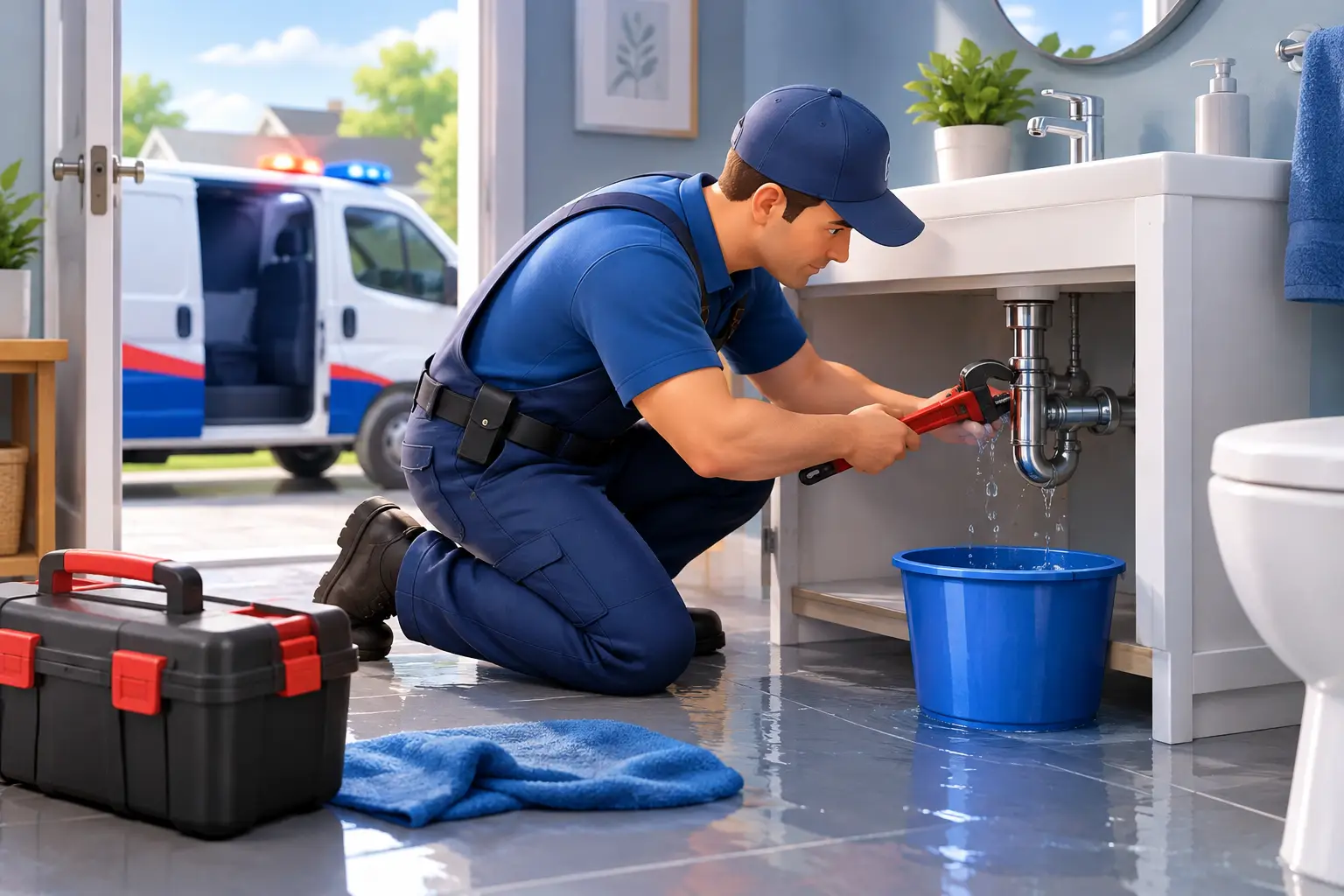
Your first job is to reduce the flow of water safely. If the leak is coming from a fixture, try its local shutoff valve first. Toilets usually have a small valve on the wall or floor behind the bowl. Sinks have valves under the cabinet. Turn the valve clockwise until it stops, but do not force a corroded valve.
If you cannot isolate the leak, shut off the main water supply to the building. Many Utah homes have a main shutoff near the water meter, in a utility room, crawl space, basement, or mechanical area. Property owners should make sure everyone in the household knows where it is before an emergency happens. For a commercial property, designate staff members who know the location and procedure.
Then move furniture, electronics, rugs, and valuables away from the affected area if it is safe to do so. Place buckets under manageable drips and use towels to contain surface water. Take a few photos of the damage for insurance documentation, but do not delay shutting off the water just to document the problem.
Avoid using chemical drain cleaners during an active backup. These products can damage pipes, create hazardous fumes, and make conditions more dangerous for the technician who has to open the line. If wastewater is present, keep children and pets away, avoid using nearby fixtures, and wash thoroughly after any contact.
When a 24 Hour Emergency Plumbing Service Is the Right Call
Call for emergency help when you have active water where it should not be, wastewater coming back into the building, no usable water supply, or a water heater condition that poses a safety concern. Fast response is especially valuable when water is near electrical outlets, appliances, furnaces, finished ceilings, or stored inventory.
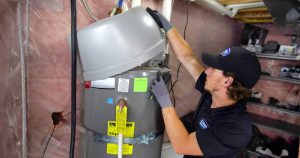
Common after-hours calls include frozen or burst pipes during cold snaps, failed water heater connections, overflowing toilets that will not stop, main-line clogs, sump pump failures, and slab or wall leaks. In Utah County, temperature swings can make pipe protection and quick action particularly important. A small freeze-related crack can become a major leak when temperatures rise and the ice releases.
For businesses, the decision is often tied to operations as well as damage. A restaurant, office, retail shop, or multifamily property may need service right away to protect employees, customers, tenants, equipment, and sanitation standards. Closing a restroom or kitchen is not always an option.
What to Expect From an Emergency Visit
A good emergency plumbing response starts with clear communication. When you call, be ready to explain where the problem is, whether water is still flowing, whether you have shut off the main supply, and whether sewage or electrical hazards are involved. This helps the dispatcher and technician prepare for the situation.
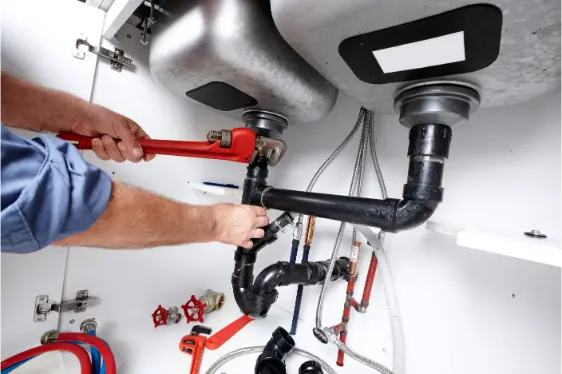
Once on site, the technician should focus first on stopping the active problem. That may mean isolating a damaged pipe, clearing a blockage, stopping an overflow, repairing a water heater connection, or making the system safe until a permanent repair can be completed.
After the immediate threat is controlled, diagnosis matters. A ceiling leak may come from a pipe, roof penetration, appliance line, drain, or condensation issue. A recurring clogged drain may point to roots in the sewer line, a damaged section of pipe, poor slope, grease buildup, or an object lodged in the line. Fixing the visible symptom without finding the cause often leads to another emergency later.
In some cases, a temporary repair is the responsible choice if specialized materials, excavation, drying work, or replacement equipment is needed. The key is transparency. You should understand what was done that night, what still needs to happen, what the options are, and what to expect next.
How to Prevent the Next Late-Night Call
Not every plumbing emergency can be prevented, but routine attention catches many problems before they become urgent. Watch for water stains, musty odors, reduced water pressure, discolored water, slow drains, unusually high water bills, and a water heater that is making new noises or struggling to recover.
In winter, protect exposed pipes in crawl spaces, garages, exterior walls, and unheated areas. Disconnect and drain outdoor hoses before freezing weather arrives. Keep indoor temperatures consistent, especially if you are traveling, and know how to shut off the water supply if a hard freeze is expected.
Drain care also makes a real difference. Use strainers where appropriate, keep grease and food waste out of kitchen drains, and do not treat toilets as trash cans. Flushable wipes, paper towels, hygiene products, and similar materials can cause stubborn blockages even when packaging suggests otherwise.
For older homes or properties with repeat leaks and drain issues, it may be time to look beyond another spot repair. Pipe repair, repiping, drain inspection, water pressure testing, or a water heater evaluation can help you make a practical long-term decision. The right answer depends on the age of the system, the condition of the materials, the cost of repeated repairs, and your plans for the property.
Fast Help Should Still Be Respectful Help
An urgent plumbing problem puts people in a vulnerable position. You should not have to guess whether the technician will show up, wonder what is being repaired, or feel pressured into a decision you do not understand. Emergency service should be prompt, professional, and focused on protecting your property first.
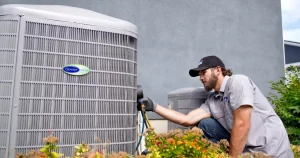
Gillette Services serves Utah County homeowners and businesses with around-the-clock plumbing support, same-day solutions when available, and straightforward guidance on repairs and next steps. Whether the issue is a burst pipe, a sewer backup, or a water heater failure, the priority is to get control of the situation and help you move forward with confidence.
Keep your main water shutoff location handy, pay attention to early warning signs, and do not wait through an active leak or backup hoping it will settle down. A quick call and the right first steps can protect far more than pipes – they can protect the place your family lives, works, and gathers.