A failed water heater rarely gives a family much warning. One day, everyone has hot water. The next, the shower runs cold, the utility room floor is wet, or the tank is making a sound it never made before. Water heater installation is the point where a short-term problem becomes a long-term home decision, so it pays to get the size, fuel type, venting, and workmanship right from the start.
Start With the Right Water Heater for Your Household
The best replacement is not always the same size or type as the old unit. Your family may have changed, a bathroom may have been added, or the current heater may have struggled to keep up from day one. Choosing based only on tank capacity or the lowest upfront price can leave you with another frustrating replacement sooner than expected.
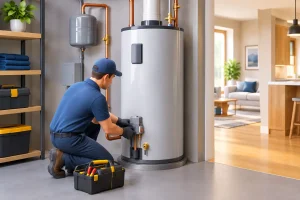
For a conventional storage-tank water heater, the key question is how much hot water your household uses during its busiest hour. Morning showers, dishwasher cycles, laundry, and multiple bathrooms can quickly drain a tank that is too small. A professional will look at the unit’s first-hour rating, not just its gallon capacity. That rating estimates how much hot water the system can deliver in the first hour of high demand.
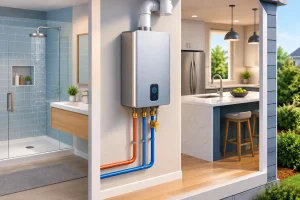
Tankless water heaters heat water as it moves through the unit, rather than storing it in a tank. They can be a smart choice for homes that need a continuous supply of hot water, want to save space, or plan to stay in the home long enough to benefit from higher efficiency. The trade-off is that proper sizing is more technical. A tankless model must be selected for the number of fixtures likely to run at once and the temperature of incoming water. In Utah, colder incoming water during winter can affect how much hot water a tankless unit can produce at one time.
Tank or Tankless: What Makes Sense?
A standard tank water heater remains a dependable, cost-effective option for many homes. It is familiar, generally less expensive to install, and available in a range of capacities. If your household’s hot-water habits are predictable and the existing setup is in good condition, replacing a tank with a similar but more efficient model may be the practical answer.
Tankless systems offer a longer expected service life and can reduce standby energy loss because they do not keep a full tank heated around the clock. They are also compact enough to free up room in a utility area. However, installation may require changes to gas piping, venting, electrical service, or water lines. A tankless upgrade is often worthwhile, but it should be evaluated as a whole-home project rather than treated as a simple swap.
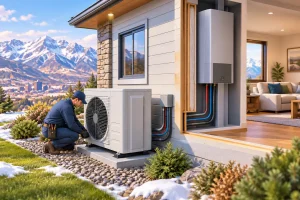
Electric heat pump water heaters are another option worth discussing, especially for homeowners focused on efficiency. These units pull heat from surrounding air to warm the water, using less electricity than standard electric tank models. They need adequate space and can cool and dehumidify the room where they are installed, which may be helpful in some locations and less desirable in others. A qualified technician can explain whether the installation area is a good fit.
What a Professional Water Heater Installation Includes
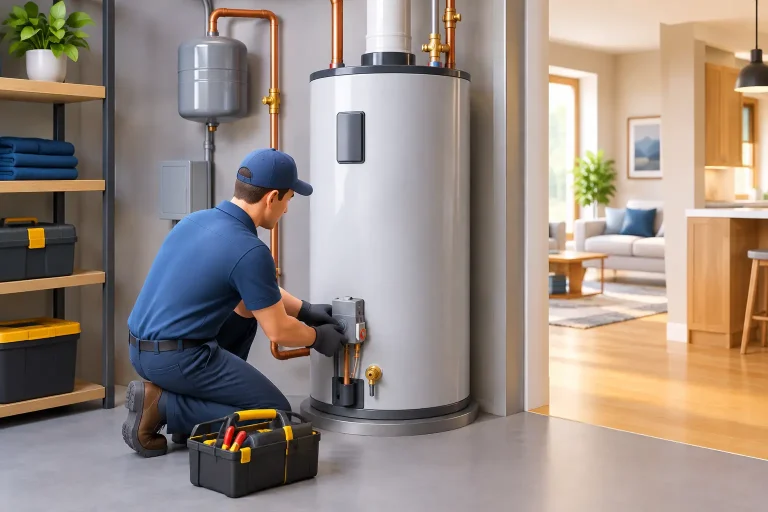
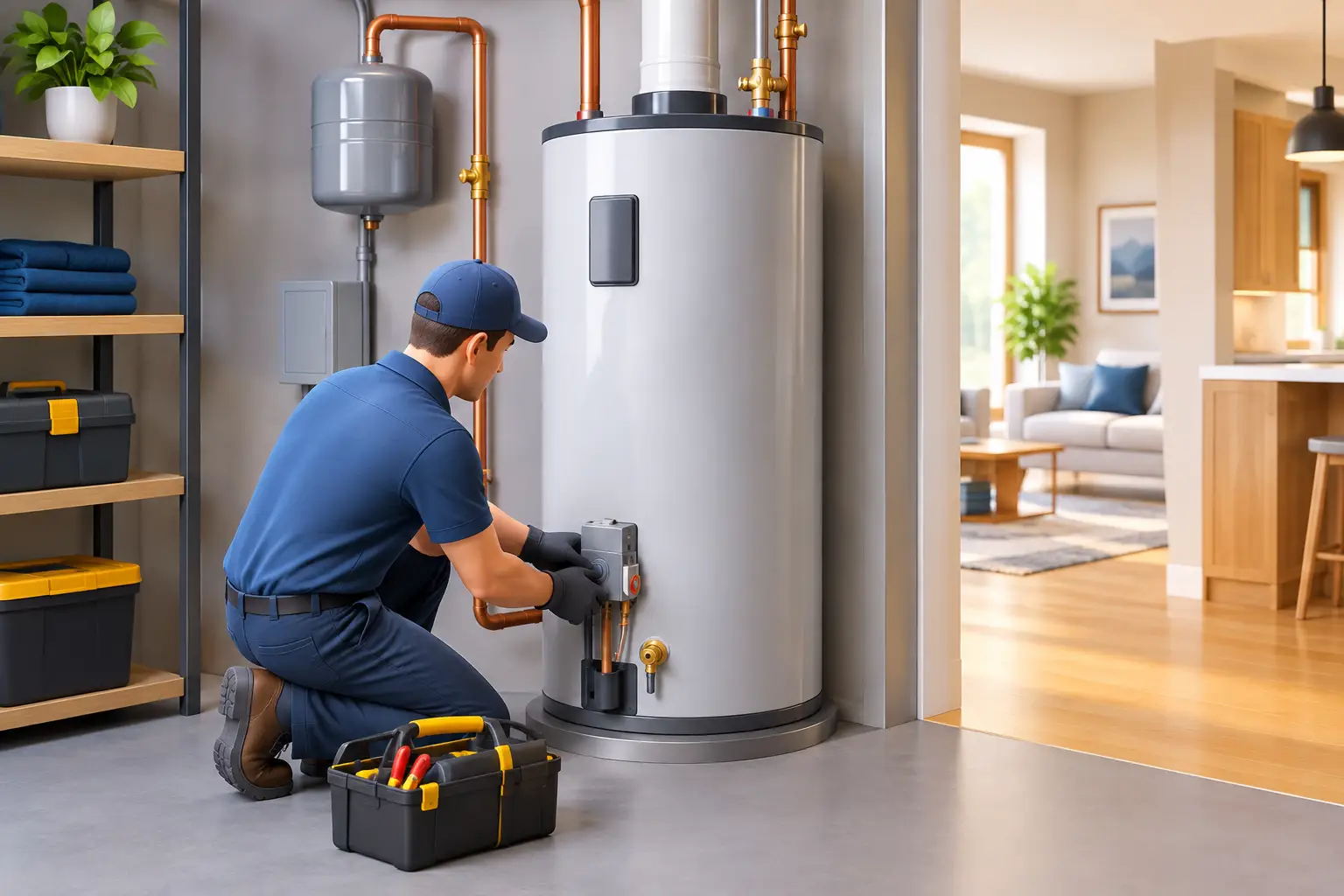
Replacing a water heater involves more than disconnecting the old tank and setting a new one in place. The equipment must be installed safely, meet applicable code requirements, and operate efficiently for years. Details that may not be visible after the job is done can have a major effect on performance and safety.
A proper installation begins with an evaluation of the existing water, gas, electrical, and venting connections. For gas models, the installer verifies that the gas line is properly sized, connections are secure, and combustion gases can vent safely outdoors. For electric models, the circuit and disconnect must be appropriate for the new equipment. Tankless units may require upgrades that an older tank water heater did not.
The work also includes a properly installed temperature-and-pressure relief valve with an approved discharge pipe. This safety device helps prevent dangerous pressure buildup inside the tank. Expansion tanks may be needed where a home’s plumbing system is closed, and a drain pan can help protect finished spaces or lower levels from water damage if a leak develops.
After connections are complete, the system should be filled, tested, and checked for leaks. Gas water heaters should be tested for safe operation and vent performance. The installer should also show you how to adjust the temperature, explain basic maintenance needs, and answer questions before leaving your home.
Why Installation Quality Matters
Water heaters work under pressure and, depending on the model, involve gas combustion, high-voltage electricity, or both. A small mistake can become an expensive repair, a water-damage issue, or a serious safety concern. DIY replacement may seem manageable from a distance, but local permits, fuel connections, vent clearances, and seismic strapping are not areas to guess at.
Utah County homeowners also have to consider hard water. Mineral buildup can shorten the life of a water heater, reduce efficiency, and create popping or rumbling sounds as sediment collects in the bottom of a tank. Tankless units are not immune. Their heat exchangers need periodic flushing to prevent scale from restricting water flow and reducing performance.
A professional installation gives you a chance to address those conditions before they take a toll on new equipment. Depending on your home’s water quality, that may mean scheduling routine flushing, adding suitable water treatment, or setting up maintenance that protects the system over time.
Know When Replacement Is the Better Call
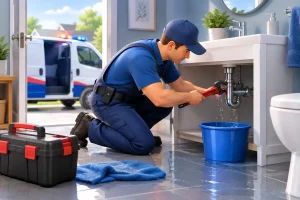
Not every water-heater problem requires a new unit. A failed heating element, thermostat issue, pilot problem, or worn valve can sometimes be repaired quickly. But repairs become harder to justify when a tank is leaking, heavily corroded, or nearing the end of its expected life.
Most traditional tank water heaters last roughly eight to 12 years, though water quality, maintenance, and usage can move that number in either direction. A tankless system can last longer with proper service. If your current unit is old, delivers inconsistent hot water, leaks around the base, or needs repeated repairs, replacement may offer better value and greater peace of mind.
Do not wait for a complete failure if you are already seeing warning signs. A planned replacement gives you time to compare options, consider efficiency, and avoid making a rushed decision after a cold shower or flooded utility room. It can also make it easier to explore financing, available rebates, or a model that better matches your household’s needs.
Questions to Ask Before You Approve the Work
A trustworthy contractor should make the process understandable without the runaround. Ask what size and type of water heater they recommend, why it fits your home, and what changes the installation may require. You should also know whether permits are needed, how the old unit will be removed, what warranty coverage applies, and what maintenance will help protect the new equipment.
It is also reasonable to ask for clear pricing before work begins. The lowest estimate is not always the lowest cost over time if it leaves out required code upgrades, safe venting, haul-away, or necessary accessories. Clear answers up front help prevent surprises later.
Protect Your New Water Heater After Installation
Once the new unit is running, a little attention can make a meaningful difference. Keep the area around it accessible, watch for moisture or corrosion, and address unusual noises before they become a larger problem. Traditional tanks benefit from periodic flushing, while tankless models need descaling service based on water quality and household use.
Checking the temperature setting matters, too. Many homes do well around 120 degrees Fahrenheit, which provides comfortable hot water while reducing unnecessary energy use and the risk of scalding. Households with specific health or sanitation needs may need a different setting, so ask your technician what is appropriate for your situation.
When hot water is on the line, the right installation is about more than getting through today. It is about giving your household dependable comfort tomorrow morning, next winter, and for years to come. Gillette Services can help Utah homeowners choose and install a water heater with straightforward recommendations, careful workmanship, and respect for your home.