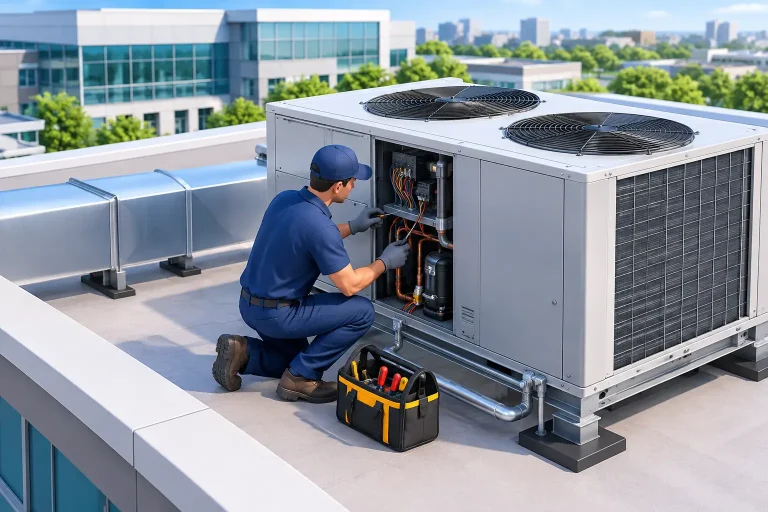
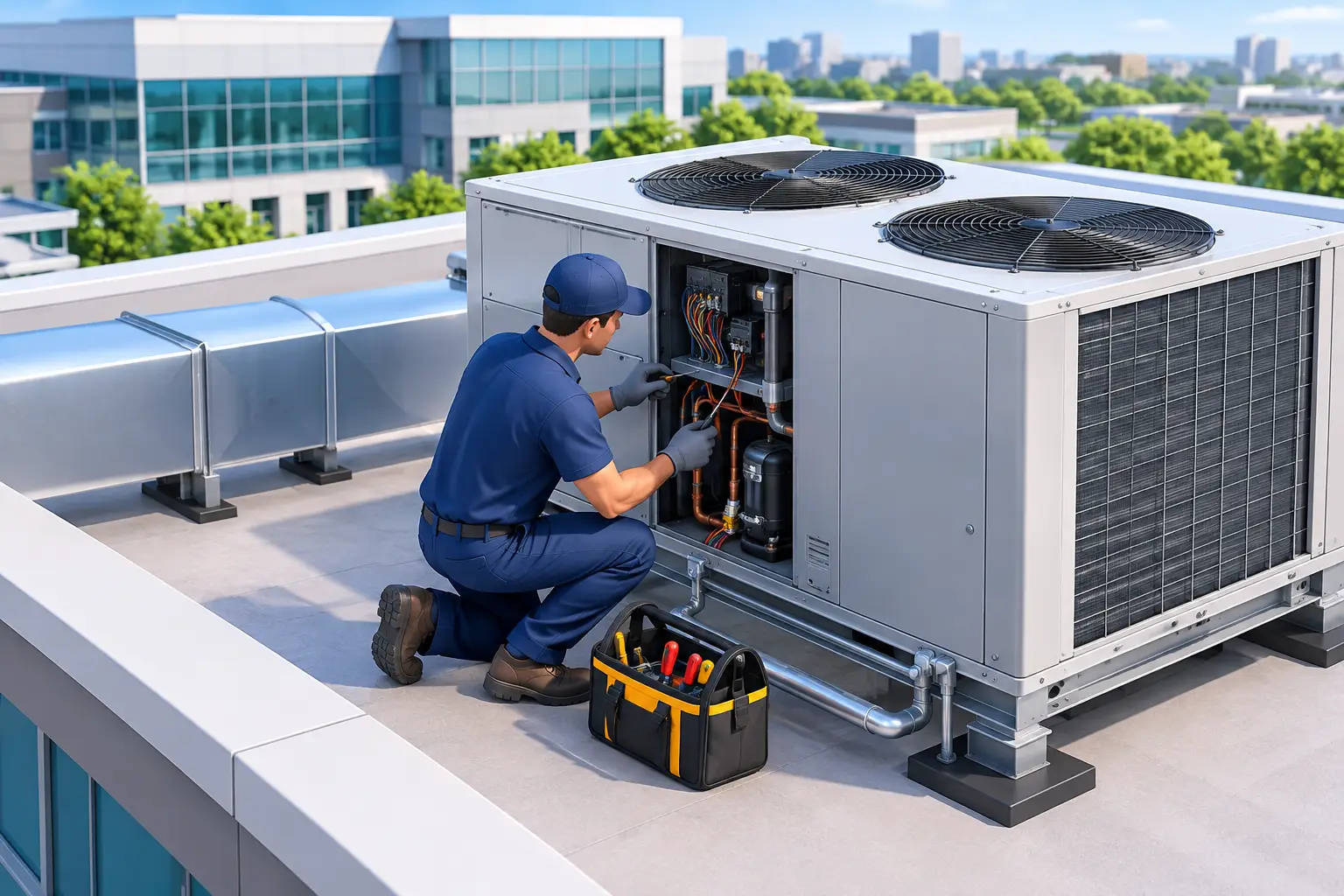
A broken rooftop unit rarely picks a convenient time to quit. It happens during a packed lunch rush, a summer sales event, or the first hard cold snap of the season. Commercial HVAC maintenance gives business owners a better option: finding small problems before they disrupt employees, customers, inventory, or daily operations.
For Utah businesses, that matters. Our weather asks a lot from heating and cooling equipment, often in the same year. A planned maintenance program helps keep systems ready for high demand while giving owners a clearer picture of repair needs, energy use, and equipment life.
What Commercial HVAC Maintenance Actually Covers
Maintenance is more than changing a filter and moving on. A qualified technician looks at how the entire system is operating, including the equipment that heats and cools the building, the controls that tell it when to run, and the airflow that delivers conditioned air where it is needed.
The exact visit should reflect the equipment and the building. A small office with a single split system needs a different approach than a restaurant with kitchen exhaust, multiple rooftop units, and uneven occupancy throughout the day. Medical offices, warehouses, retail spaces, schools, and multi-tenant properties all have their own comfort and ventilation demands.
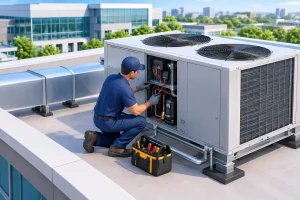
During a thorough service visit, a technician may inspect electrical connections and components, test safety controls, check refrigerant performance, clean coils, clear condensate drains, inspect belts and motors, verify thermostat or building-control operation, and measure temperature differences and airflow. Filters should also be checked and replaced as needed.
The point is not to perform work that does not add value. It is to identify the conditions that commonly lead to failures, wasted energy, poor comfort, and shortened equipment life.
Why Preventive Service Protects Operations
When heating or cooling goes down, the cost is often bigger than the repair invoice. Employees may be less productive. Customers may leave early or choose not to return. Sensitive products, computer equipment, or stored materials can be exposed to temperatures they were not meant to handle. For some facilities, a comfort issue can become a health, safety, or compliance concern.
Preventive maintenance lowers those risks by catching issues while there is still time to plan. A worn belt can be replaced before it breaks. A clogged drain can be cleared before it causes water damage. A weak capacitor, failing contactor, or loose electrical connection can be addressed before it turns into an after-hours no-cooling call.
Maintenance cannot guarantee that a component will never fail. Parts can fail unexpectedly, and older equipment can become less predictable. What it does provide is earlier warning and fewer surprises. That gives business owners more control over timing, budget, and decisions.
Better efficiency starts with the basics
Commercial systems work harder when airflow is restricted, coils are dirty, refrigerant performance is off, or controls are not communicating correctly. Even a minor issue can force equipment to run longer to reach the same temperature setting.
Cleaning and inspection help equipment operate closer to its intended performance. That can reduce unnecessary energy use, especially during Utah County summers and winter cold spells. The savings vary by system condition, building use, and utility rates, so maintenance should not be sold as a guaranteed dollar amount. Still, avoiding waste is one of the most practical reasons to stay ahead of service.
Comfort complaints often point to a system issue
A hot conference room, a cold retail corner, or a second-floor office that never seems comfortable may not mean the unit is too small. It could be a thermostat issue, a damper problem, poor airflow, duct leakage, an aging blower motor, or a change in how the space is used.
Regular visits create a record of system performance. That history helps technicians spot patterns instead of treating every comfort complaint as a separate mystery. If a space has been remodeled, divided into offices, or fitted with heat-producing equipment, the maintenance visit is also a good time to discuss whether zoning, controls, duct modifications, or equipment changes may be needed.
How Often Should a Commercial System Be Serviced?
Most commercial heating and cooling systems benefit from maintenance at least twice a year: once before the cooling season and once before the heating season. Spring service prepares air conditioning equipment for summer demand. Fall service checks heating performance before cold weather arrives.
Some facilities need more frequent attention. Restaurants, salons, workshops, manufacturing spaces, medical facilities, and buildings with long operating hours may have heavier filter loads, more airborne contaminants, or equipment that runs nearly all day. In those settings, quarterly visits or scheduled filter changes can make sense.
Equipment age matters too. A newer system may need routine seasonal service and warranty-minded documentation. An older unit may need closer monitoring because parts wear, efficiency drops, and a repair-versus-replacement decision can be approaching. The right schedule is based on the building, the equipment, and the consequences of downtime, not a one-size-fits-all calendar.
What Business Owners Can Watch Between Visits
Your staff does not need to diagnose HVAC equipment, and they should not remove electrical panels or attempt repairs. But a few simple observations can help catch a problem early.
Pay attention to unusual sounds, water around indoor equipment, new odors, repeated thermostat adjustments, rooms that are consistently too warm or cold, and utility bills that rise without an obvious change in operations. Also watch for units that start and stop frequently or run continuously without reaching the set temperature.
Filters deserve special attention. A dirty filter restricts airflow and can contribute to comfort problems, frozen coils, and excess strain on the system. The replacement interval depends on the filter type, building use, and local conditions. A busy facility may need changes more often than the schedule printed on the filter packaging.
When something changes, document where it happened, when it started, and whether it occurs at a particular time of day. That information helps a technician troubleshoot faster and reduces the chance of repeat visits.
Maintenance Is Also a Planning Tool
A good maintenance report should do more than say that the system was checked. It should explain what was found, what was corrected, what should be watched, and which repairs are recommended now versus later. Clear priorities help owners make sound decisions without the runaround.
This is especially valuable for equipment nearing the end of its service life. Replacing a system on your terms is usually easier than making a rushed decision after a major failure. Planned replacement allows time to compare efficiency options, evaluate load changes, review available rebates or financing, and schedule work around business hours when possible.
There is a trade-off, of course. Continuing to repair an older unit may be reasonable when repairs are minor and the system still performs well. But repeated breakdowns, hard-to-find parts, rising energy use, and frequent comfort complaints can signal that replacement will provide better long-term value. Maintenance gives you the information needed to make that call before the situation becomes urgent.
Choose a Partner Who Understands Commercial Work
Commercial HVAC service requires more than technical skill. It requires communication, scheduling awareness, and respect for the fact that your building has to keep operating. The right service partner should explain findings plainly, arrive prepared, and help you prioritize work based on real operational risk.
Ask whether the provider services your equipment type, offers responsive repair support, and can build a maintenance schedule around your facility. It is also worth asking how they document service, communicate repair recommendations, and handle emergency calls. A low-cost visit that overlooks a developing issue is not much of a bargain.
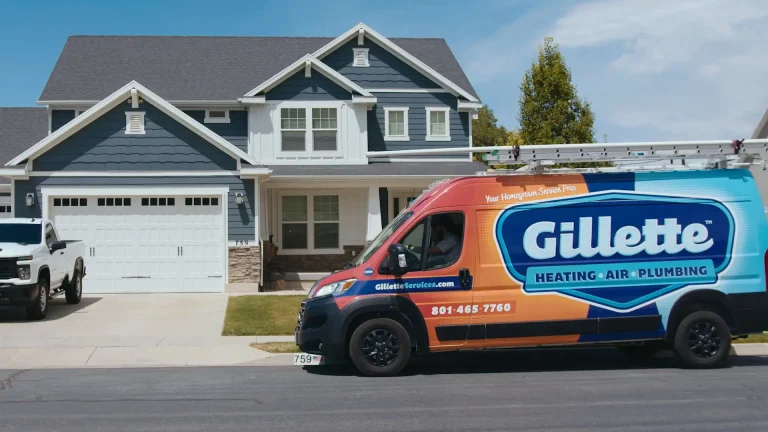
Gillette Services helps local businesses maintain heating and cooling systems with practical recommendations, certified service, and responsive support when an issue cannot wait. For property owners managing several systems or locations, a consistent maintenance plan can also simplify budgeting and recordkeeping.
The best time to schedule service is before comfort becomes a complaint and before a small mechanical issue becomes a business interruption. A well-maintained system will not demand attention every day, and that is exactly the point: it lets you focus on the people and work inside your building.