A slow kitchen sink can feel like a small annoyance – until the dishwasher drains and dirty water rises back into the basin. The same goes for a shower that pools around your feet or a toilet that needs a second flush more often than it should. A professional drain cleaning service gets to the source of those problems before a routine inconvenience turns into a messy backup, pipe damage, or an interruption to your home or business.
Store-bought products and a plunger can help with a simple, isolated clog. But when drainage problems keep coming back, affect more than one fixture, or bring sewage odors into the building, it is time for a trained technician and the right equipment. The goal is not just to get water moving for the afternoon. It is to identify what is restricting the line and clear it safely.
What a Drain Cleaning Service Actually Does
Drain cleaning is more than pouring a chemical into a pipe. A professional technician starts by listening to what you are seeing: which fixtures are slow, when the issue began, whether it happens after laundry or showers, and whether there have been recent backups. Those details help narrow down whether the blockage is near one fixture or farther along in the main sewer line.
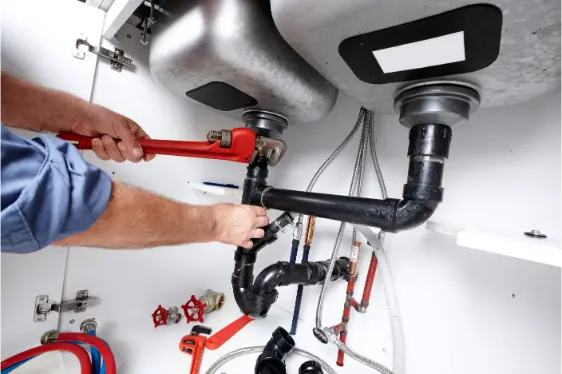
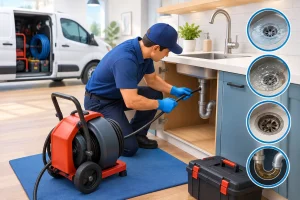
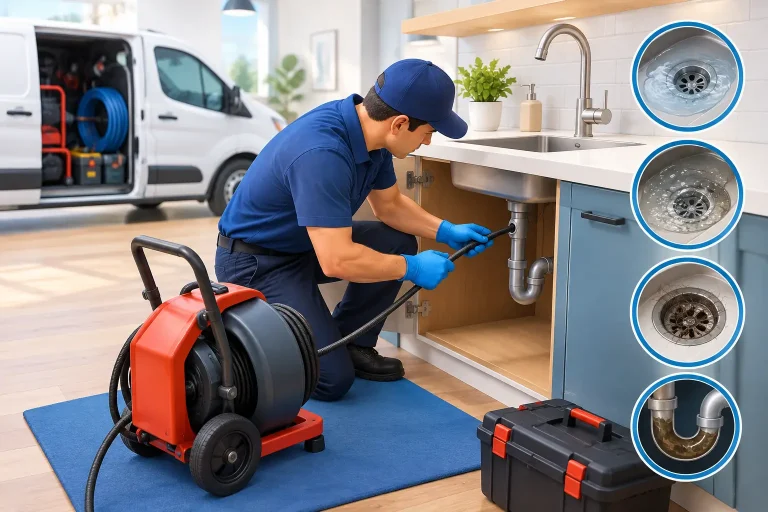
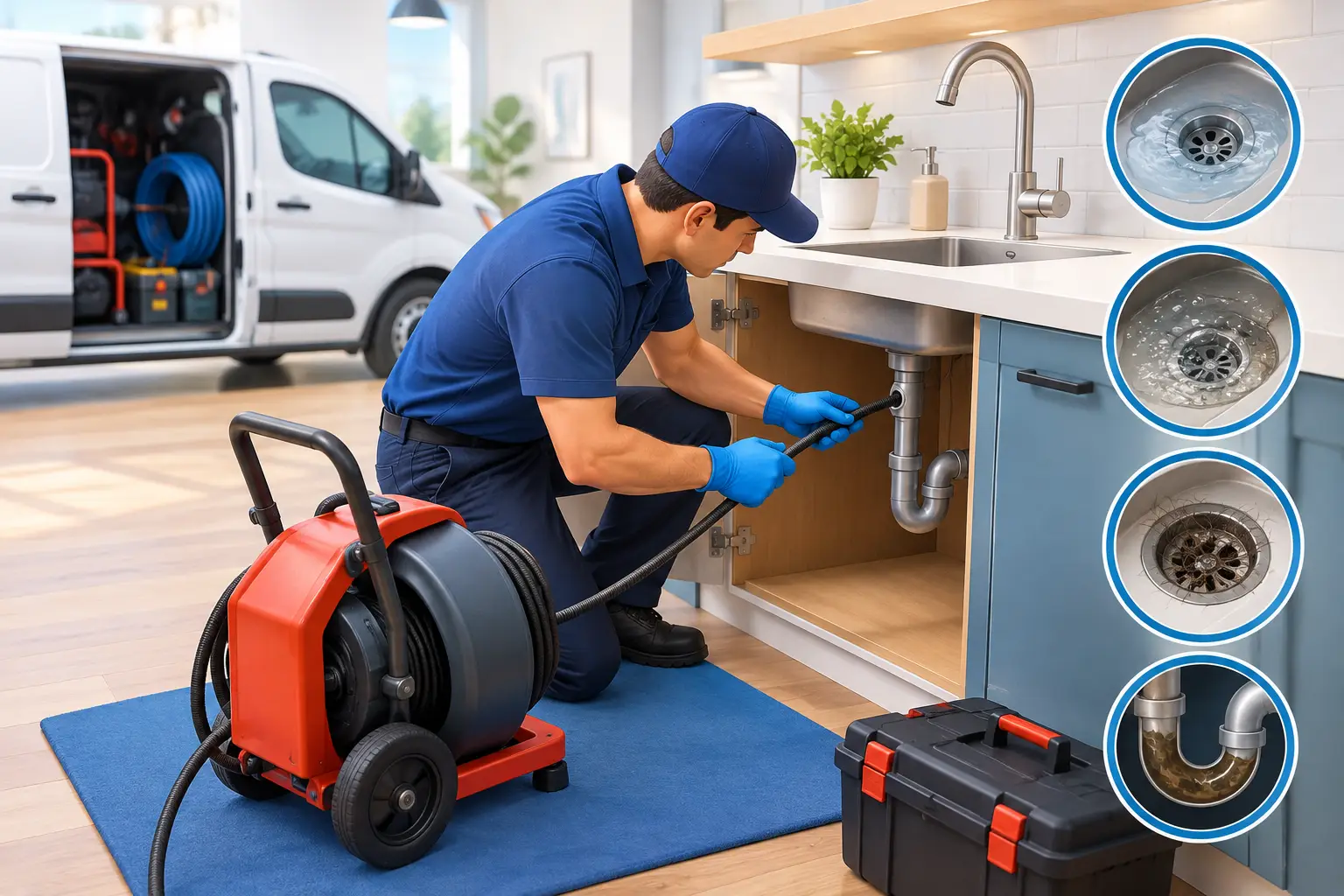
Depending on the issue, the technician may use a drain machine, cable, auger, hydro jetting equipment, or a camera inspection. Each tool has a different job. A cable machine can break through many common clogs. Hydro jetting uses controlled high-pressure water to scour buildup from the inside of appropriate pipes. A camera can show whether repeated trouble is being caused by grease, roots, scale, a damaged section of pipe, or a sagging line that collects waste.
The right method depends on the pipe material, the condition of the system, and what is inside the line. Aggressive cleaning is not automatically the best answer for older or compromised piping. A careful diagnosis protects the plumbing while addressing the blockage without the runaround.
Signs You Should Schedule Drain Cleaning
One slow drain does not always mean there is a major problem. Hair, soap residue, and everyday debris can collect in a bathroom sink or shower drain over time. If the problem is limited to one fixture and improves with basic cleaning, it may be a simple local clog.
Trouble in several fixtures is different. If the toilet bubbles when the washing machine drains, the tub gurgles after a sink is emptied, or water backs up in the lowest drain in the home, the restriction may be farther down the line. Those signs deserve prompt attention, especially if you have a basement floor drain or lower-level bathroom.
Call for service when you notice recurring clogs, persistent odors, slow drainage throughout the building, gurgling sounds, sewage backup, or water appearing where it should not. A commercial kitchen, salon, office restroom, or rental property may need help sooner because frequent use can turn a partial blockage into a disruption for employees, customers, or tenants.
Do Not Ignore a Main-Line Backup
A main sewer line backup is one of the clearest reasons to call right away. Wastewater may come up through a floor drain, shower, tub, or toilet because it cannot continue out to the sewer or septic system. Stop using water in the building if this happens. Running a dishwasher, flushing toilets, or taking a shower can add more water to an already blocked line.
Fast response matters because sewage exposure can damage flooring, drywall, belongings, and indoor air quality. It also creates a sanitation concern that should be handled with proper care.
Why Chemical Drain Cleaners Can Make Things Worse
Chemical drain cleaners are heavily marketed because they promise a quick fix. Sometimes they make a minor clog seem better for a short time. They do not remove every type of blockage, though, and they can be hard on certain pipes, seals, and fixtures when used repeatedly or left sitting in a stopped drain.
They can also create a hazard for anyone who later works on the drain. If the product is still in the line, it can splash during plunging, snaking, or disassembly. Mixing cleaners or combining them with other household products is especially risky.
For a small hair clog near a shower drain, removing visible debris and using a drain-safe tool may be reasonable. For recurring problems, standing water, or a fully blocked drain, skip the chemical experiments. A professional assessment is usually safer, faster, and more likely to solve the actual cause.
Common Causes of Stubborn Drain Clogs
Kitchen drains often collect grease, food particles, and soap film. Grease may go down warm and liquid, but it cools and sticks inside the pipe, where it catches other debris. Even garbage disposals are not built to handle every food scrap. Fibrous vegetables, coffee grounds, rice, pasta, and large amounts of cooking grease can all contribute to trouble.
Bathroom drains usually deal with hair, soap, toothpaste residue, and personal-care products. Toilets can clog from excess paper or items that were never meant to be flushed. Wipes labeled flushable do not break down like toilet paper, and neither do paper towels, cotton products, dental floss, or hygiene items.
Main-line problems may involve accumulated buildup, mineral scale, tree roots, pipe corrosion, shifts in the soil, or an aging sewer line. In Utah County, seasonal temperature changes and established landscaping can add stress to outdoor plumbing systems over the years. That is where a camera inspection can be especially valuable. It replaces guesswork with a clear look at the condition of the line.
Preventing the Next Drain Problem
Good drain habits will not prevent every plumbing issue, but they can reduce buildup between cleanings. Keep grease, oils, and fats out of the kitchen sink. Let them cool in a container and dispose of them in the trash. Use sink strainers to catch food scraps and hair, then empty them regularly.
In bathrooms, clean stoppers and strainers before hair has a chance to travel deeper into the drain. Flush only toilet paper and human waste. For homes with older plumbing, large trees, frequent guests, or a history of sewer trouble, planned inspections and maintenance can be a practical way to avoid an emergency.
Businesses should pay special attention to high-use drains. A restaurant, break room, salon, medical office, or multi-tenant property can benefit from a cleaning schedule based on how the facility is actually used. Waiting until a line blocks during business hours is rarely the affordable option.
What to Expect From Professional Drain Cleaning
A dependable visit should begin with clear questions and an explanation of what the technician finds. You should understand whether the issue is a local fixture clog, a branch-line blockage, or a main sewer concern, as well as which cleaning method makes sense and why.
After the line is cleared, the technician should test drainage and let you know if there are signs of a larger repair need. A clean drain does not always mean a damaged pipe is suddenly healthy. If a camera reveals root intrusion, cracking, offsets, or heavy deterioration, you deserve straightforward options to repair the underlying issue on a timeline that fits the risk.
For urgent clogs and sewer backups, Gillette Services provides responsive plumbing help for homeowners and businesses across Utah County. The focus is simple: arrive prepared, explain the problem plainly, and help get your plumbing back to normal as quickly as possible.
A drain that is slowing down is often giving you an early warning. Taking care of it before water backs up can protect your home, your schedule, and your peace of mind.