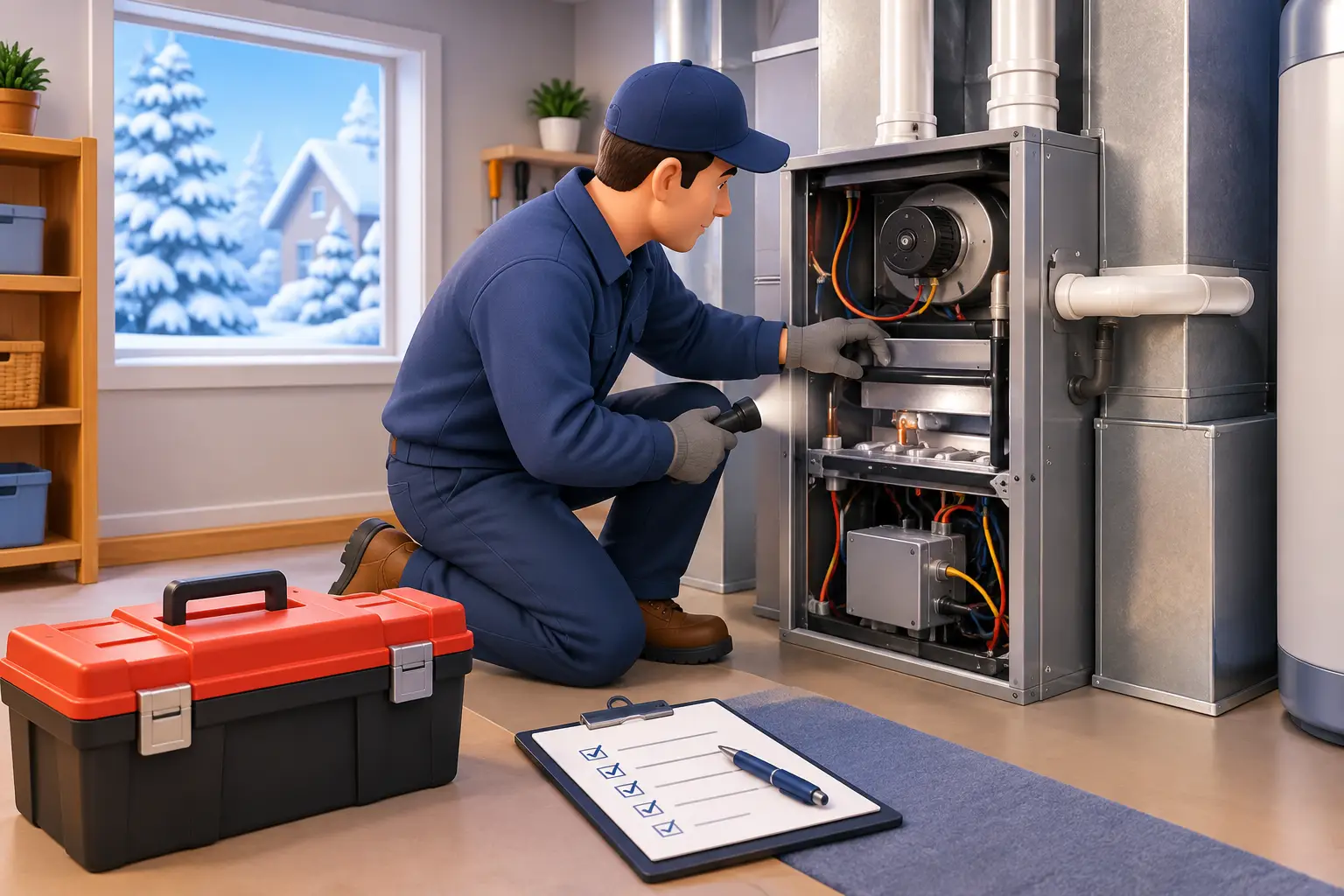
A furnace usually chooses the coldest night of the year to show you it has a problem. A little preparation before winter can prevent that call, protect your family’s comfort, and give you a clearer picture of whether your system needs professional attention. Use this furnace maintenance checklist for winter to handle the homeowner-friendly tasks first, then schedule a trained technician for the work that involves combustion, wiring, or internal components.
Furnace Maintenance Checklist for Winter
Start with the basics before temperatures settle in. These small checks are practical, low-risk, and often make a real difference in airflow, efficiency, and reliability.
Replace or inspect the air filter
A clogged filter makes your furnace work harder to move warm air through the house. That can increase energy use, create uneven room temperatures, and contribute to overheating issues that cause the system to shut down.
Check the filter monthly during heating season, especially if you have pets, allergies, a busy household, or ongoing remodeling dust. Most standard filters need replacement every one to three months, but the right interval depends on the filter type and your home. Install it in the direction of the airflow arrow printed on the frame.
Do not assume a thicker, higher-rated filter is always better. Some furnaces are not designed for very restrictive filters. If you are unsure which filter your system needs, ask an HVAC technician rather than guessing.
Test your thermostat before the first deep freeze
Set the thermostat to heat and raise the setting a few degrees above the current room temperature. The furnace should start within a short time, followed by warm air from the supply vents. If it does not respond, first check that the thermostat is set to Heat, the batteries are fresh if applicable, and the circuit breaker has not tripped.
For programmable or WiFi thermostats, review the schedule. A schedule that drops the temperature too aggressively can leave a home uncomfortable in the early morning and force the furnace to work hard to recover. A modest setback can save energy, but the best setting depends on your insulation, family routine, and equipment.
Keep vents, returns, and equipment clear
Walk through the house and make sure supply registers and return-air grilles are open and uncovered. Rugs, furniture, laundry baskets, and curtains can restrict airflow. Closing too many vents in unused rooms can also create pressure problems for the system, so it is generally better to keep most vents open unless your HVAC contractor has designed a zoned solution for your home.
In the furnace area, maintain clear space around the unit. Do not store paint, gasoline, cleaning supplies, boxes, or other combustible materials nearby. The equipment needs room for safe service and adequate airflow.
Check carbon monoxide and smoke alarms
Fuel-burning furnaces produce combustion gases that must be vented safely outside. Carbon monoxide is colorless and odorless, which makes working detectors essential. Test carbon monoxide alarms and smoke alarms according to the manufacturer’s instructions, replace weak batteries, and confirm that alarms are installed near sleeping areas.
If a carbon monoxide alarm sounds, get everyone outside immediately and call 911 or your local emergency service. Do not reenter the home to troubleshoot the furnace. A furnace issue may be the cause, but only qualified professionals should determine that after the home is safe.
Look and listen for warning signs
You do not need to take the furnace apart to notice when something is off. Pay attention during the first few heating cycles of the season. A light dusty smell may occur when burners and heat exchangers have not run for months, but it should fade quickly.
Call for service if you notice repeated cycling on and off, weak airflow, rooms that stay cold, new rattling or banging noises, burning odors that persist, visible soot, water around the furnace, or a yellow burner flame. Gas furnace flames should generally appear steady and blue. Do not adjust burners or gas connections yourself.
Outdoor and Venting Checks That Matter
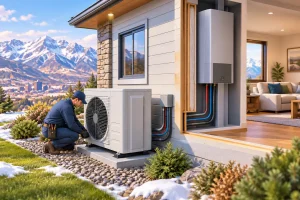
High-efficiency furnaces often have plastic intake and exhaust pipes that terminate outdoors. Check that snow, leaves, dirt, nests, and landscaping have not blocked either opening. In Utah County, drifting snow can cover a vent after a storm even when the rest of the yard looks clear.
Clear obstructions gently from the outside, but do not insert objects deeply into the pipe or modify the venting. If you see damaged piping, loose connections, staining, or ice that repeatedly forms around the termination, schedule service. Those symptoms can point to drainage, venting, or combustion concerns that need a proper diagnosis.
If your furnace shares space with a water heater or other gas appliance, keep an eye out for moisture, corrosion, or unusual odors in that area. A clean, dry mechanical room is not a guarantee that everything is working correctly, but it gives you a better chance of catching changes early.
What a Professional Furnace Tune-Up Should Include
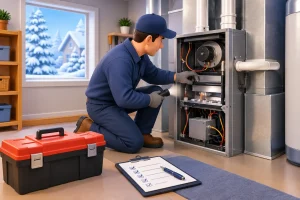
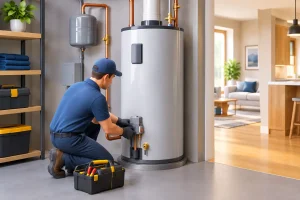
Homeowner checks are useful, but they are not a replacement for annual maintenance. A trained technician can inspect the internal components that affect safety, operation, and furnace life. For most households, the best time is early fall, before the repair schedule fills up and before the furnace is running every day.
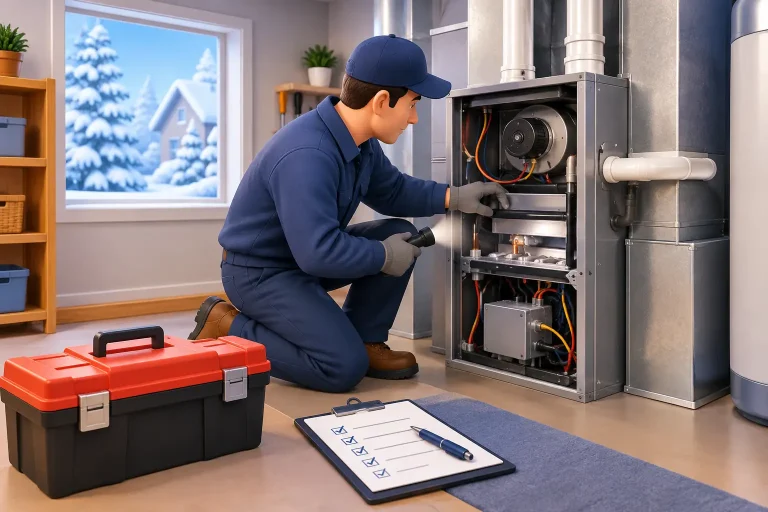
A professional furnace maintenance visit should include more than a quick filter change. The technician should inspect the heat exchanger for concerns, verify safe ignition and burner operation, test electrical connections and controls, check the blower assembly, examine the condensate system on high-efficiency models, and confirm proper airflow and temperature rise. They should also inspect venting and test safety switches.
This is where preventive service pays off. A worn ignitor, weak capacitor, dirty flame sensor, or loose electrical connection may not stop the furnace today. Left alone, however, it can become a no-heat problem during a winter cold snap. Addressing small issues on a planned visit is often less stressful than arranging an emergency repair at night.
A Few Winter Habits That Reduce Furnace Strain
Once the furnace is ready, your home still affects how hard it has to work. Replace filters on schedule, keep return vents clear, and use ceiling fans on a low clockwise setting to gently move warm air downward. If certain rooms are consistently colder than others, resist the urge to keep turning up the thermostat. The issue could be duct leakage, inadequate insulation, poor balancing, or an aging system that needs a closer look.
Check weatherstripping around exterior doors and windows, particularly in rooms that feel drafty. This is not a furnace repair, but reducing heat loss helps any heating system maintain a steadier temperature. For homes with a humidifier, follow the manufacturer’s seasonal maintenance instructions. Proper indoor humidity can improve comfort, though too much humidity can create condensation on windows and other moisture issues.
For vacation homes or extended trips, do not turn the heat off completely in freezing weather. Set the thermostat high enough to protect plumbing, and consider having someone check the home during severe cold. The right setting depends on the home, insulation, and pipe locations, but 55 degrees is a common starting point.
When to Call for Furnace Help Right Away
Some furnace problems should not wait for a convenient appointment. Seek prompt professional help if the system will not start, the breaker repeatedly trips, you smell gas, the carbon monoxide alarm activates, or the furnace is blowing cold air for more than a brief startup period. If you smell gas, leave the area, avoid switches and open flames, and contact your gas utility or emergency services from a safe location.
For less urgent problems such as rising utility bills, inconsistent heating, noisy operation, or frequent thermostat adjustments, an inspection can still prevent a larger repair. Gillette Services helps homeowners across Utah County sort out those warning signs without the runaround, whether the fix is a repair, maintenance adjustment, airflow improvement, or a conversation about replacement options.
A dependable furnace does not need constant attention, but it does need the right attention before winter settles in. Take care of the simple checks now, and let a qualified technician handle the safety-critical work so your home is ready when the temperature drops.