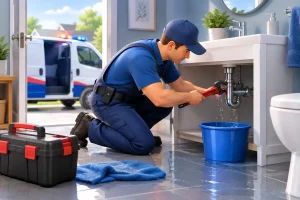

A water leak does not have to leave a puddle on the kitchen floor to cause expensive damage. A slow drip behind a wall, under a slab, or beneath a cabinet can quietly soak building materials for weeks. Knowing the signs of hidden water leaks gives you a chance to fix a small plumbing problem before it becomes damaged flooring, mold growth, or a major repair.
For Utah homeowners, leaks can be especially easy to miss during seasonal changes. Frozen or stressed pipes may develop small cracks, while dry indoor air and busy family schedules can make a gradual water issue seem less urgent than it really is.
1. Your Water Bill Climbs Without a Clear Reason
A higher water bill is often one of the first signs that water is going somewhere it should not. If your household routines have not changed, but your bill rises noticeably over one or two billing cycles, a hidden plumbing leak is worth investigating.
A leaking toilet, irrigation line, water heater connection, or underground supply line can waste a surprising amount of water without affecting daily water pressure. Compare the bill with the same month last year when possible. Keep in mind that summer watering, visiting family, and a newly filled pool can raise usage, so look for an increase that does not match a reasonable change in activity.
2. The Water Meter Moves When Everything Is Off
Your water meter can help confirm whether you have an active leak. Turn off faucets, appliances that use water, ice makers, irrigation, and any water-using equipment you can safely pause. Then check the small leak indicator on the meter, often a triangle, star, or small dial.
If the indicator continues moving, water may be flowing somewhere in the system. Take a photo of the meter reading, wait 30 to 60 minutes without using water, and check again. A changed reading points to a leak or a fixture that is still running.
This test does not tell you where the leak is. It does give a plumber useful information and helps separate a suspected plumbing issue from normal household use.
3. You Smell Mustiness Near Walls, Cabinets, or Floors
A musty odor is not always a plumbing leak. It may come from a damp basement, poor ventilation, or condensation around a cold surface. But when the smell is concentrated near a bathroom vanity, kitchen cabinet, laundry room, or a particular wall, it should not be ignored.
Water trapped behind drywall or under flooring creates the conditions mold and mildew need to grow. You may not see visible mold right away. The odor can show up first, especially in enclosed spaces such as under-sink cabinets and closets that share a wall with plumbing.
4. Paint Bubbles, Drywall Stains, or Ceilings Change Color
Discoloration on a ceiling below a bathroom is a familiar warning sign, but leaks do not always follow such a simple path. Water can travel along framing, pipes, and insulation before it appears somewhere else. A yellow or brown stain may show up several feet from the actual source.
Watch for bubbling paint, peeling wallpaper, soft drywall, swollen baseboards, and rings or dark patches on ceilings. These are not cosmetic issues to paint over and forget. The material needs time to dry, and the water source must be fixed first. Otherwise, the damage will return.
5. Floors Feel Soft, Warped, or Unusually Warm
A hidden leak under flooring can make wood, laminate, and vinyl shift or warp. Tile may loosen, grout can crack, and carpet may feel damp around the edges. In some cases, a slab leak from a hot-water line creates a warm spot on a concrete or tile floor.
Not every warm floor means a leak. Homes with radiant heating naturally have warm areas when the system is running. But an isolated warm spot, particularly when the heat is off or the area has never felt warm before, deserves a professional inspection.
6. You Hear Water When No Fixture Is Running
A faint hissing, dripping, or rushing sound behind a wall can be one of the more direct signs of hidden water leaks. Listen in quiet parts of the house, especially near bathrooms, utility rooms, and water heaters. A constant sound may also come from a toilet that is continually refilling.
Toilets are easy to overlook because the leak is usually inside the tank. Add a few drops of food coloring to the tank and wait about 15 minutes without flushing. If color appears in the bowl, the flapper may be leaking. That is usually a smaller repair, but it can waste a significant amount of water over time.
7. Water Pressure Suddenly Drops
Low water pressure can result from several issues, including mineral buildup, a failing pressure regulator, a partially closed valve, or a municipal supply problem. When the pressure drop is new and affects multiple fixtures, a leak in the main water line is one possible cause.
Pay attention to whether the issue is isolated. One weak showerhead often points to buildup at that fixture. Weak flow throughout the home, especially along with a higher water bill or meter activity, calls for a closer look.
8. Cabinets, Walls, or Trim Feel Damp
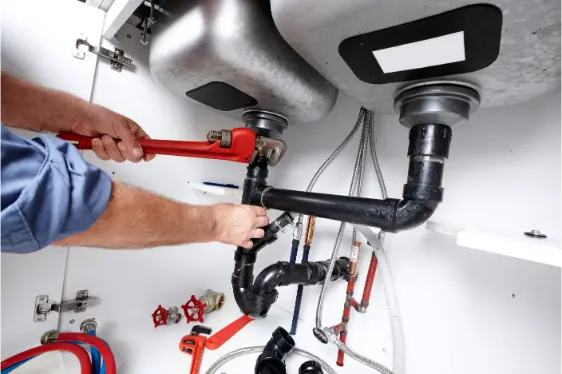
Do not rely on sight alone. Open the cabinets beneath sinks and run your hand along the cabinet floor, pipe connections, and nearby wall. Check for dampness, swelling, water rings, corrosion, or a spongy cabinet bottom.
A slow drain leak may only show up when a sink is emptied. A pressurized supply-line leak can drip even when the fixture is off. Dry the area, place a paper towel beneath the connections, and check it later. If moisture returns, schedule service before the cabinet materials begin to break down.
9. Your Water Heater Area Shows Moisture or Corrosion
Water heaters can leak from fittings, valves, drain connections, or the tank itself. Even a small amount of water around the base deserves attention. A tank leak is often a replacement issue, while a leaking connection or valve may be repairable depending on its condition.
Look for rust, white mineral buildup, moisture on pipes, or water in the drain pan. Do not remove panels or attempt to work on gas or electrical connections yourself. Water heaters combine water, heat, pressure, and sometimes fuel, so a trained technician should diagnose anything beyond a simple visual check.
10. A Green Patch Appears Outside or the Ground Stays Wet
An underground water line leak can show up in the yard before it is obvious inside. One unusually green strip of grass, soft soil, standing water near the foundation, or a spot that remains wet long after rain or irrigation has stopped can signal a problem.
This can be harder to judge in spring and during irrigation season. Check whether the wet area aligns with a sprinkler head, downspout, or known irrigation line. If it does not, and your water meter shows usage while everything is off, have the line evaluated promptly.
What to Do When You Suspect a Leak
Start by protecting the home without making the situation worse. If water is actively spreading, turn off the fixture valve if you know where it is. For a larger or unknown leak, shut off the main water supply and move valuables away from the affected area. If water is near outlets, appliances, or electrical panels, avoid touching wet electrical equipment and call for help.
Take a few photos of visible staining, moisture, or meter readings. This can help document the timing and extent of the issue. Then arrange professional leak detection and repair. Modern diagnostic tools can often locate a hidden leak with far less disruption than opening walls or digging based on guesswork.
Do Not Wait for a Small Leak to Get Loud
Some leaks are obvious emergencies. A burst pipe, rapidly spreading ceiling stain, or water near electrical equipment needs immediate attention. Other leaks can wait for a scheduled repair if the water is contained and the source is known, but they should not be put off for weeks.
Gillette Services helps homeowners across Utah County find and repair plumbing leaks without the runaround. Acting early protects the parts of your home that are hardest and most expensive to replace – the framing, flooring, insulation, and peace of mind behind the walls.
A dry cabinet, a steady meter, and a normal water bill are easy things to take for granted. If one of them changes, trust the warning and get it checked before hidden water has time to do visible damage.