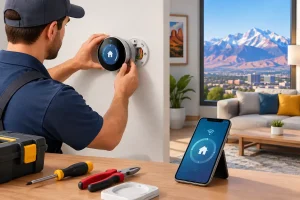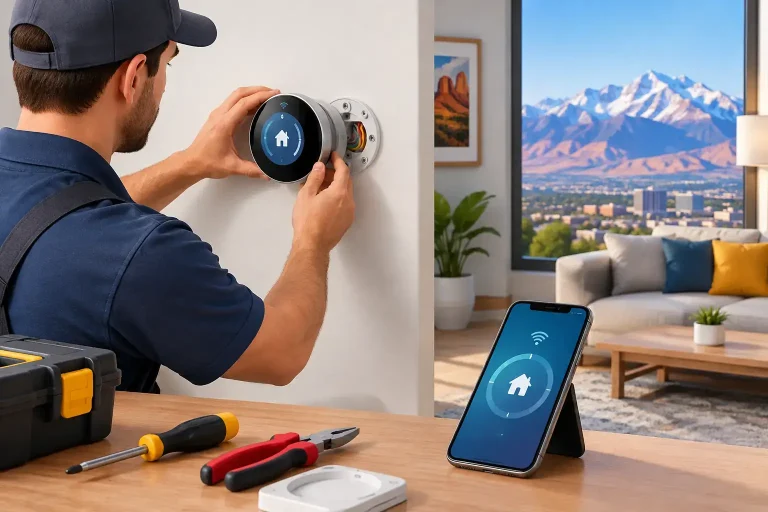
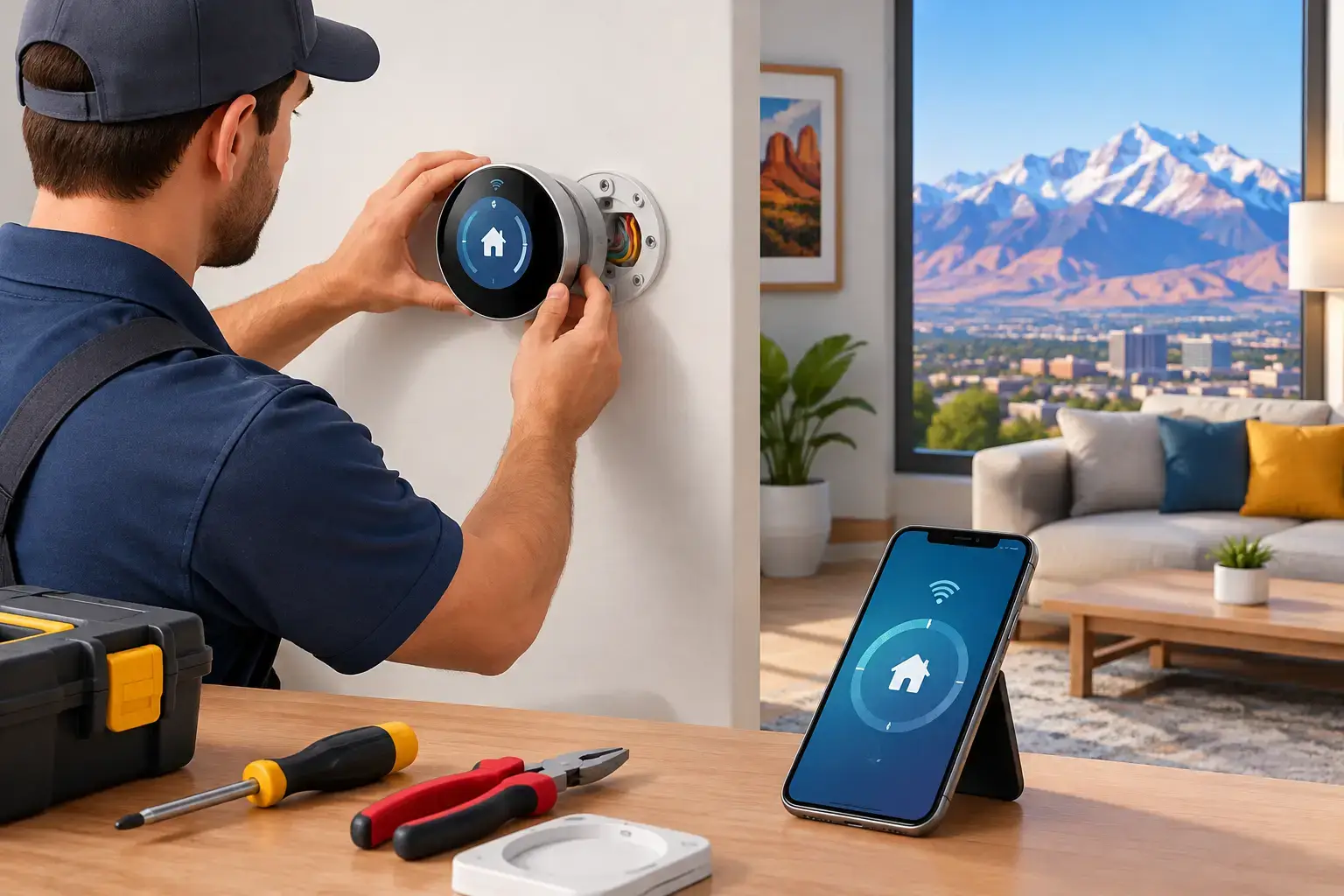
A WiFi thermostat can make it easier to manage a cold Utah morning, a hot afternoon, or an empty house while you are away. But wifi thermostat installation cost is not always as simple as buying a thermostat and putting it on the wall. The right price depends on your current wiring, your heating and cooling equipment, the thermostat you choose, and whether the system needs adjustments to work safely and reliably.
For many homes, this is a relatively straightforward upgrade. For others, it reveals an older control setup, missing common wire, or compatibility issue that deserves professional attention. Knowing what affects the cost helps you make a smart decision without surprises.
What Does WiFi Thermostat Installation Cost?
A basic WiFi thermostat typically costs less than a premium smart thermostat with room sensors, learning features, advanced scheduling, and compatibility with multiple heating and cooling stages. Professional installation is an additional expense, and a typical project often falls in the range of a few hundred dollars when the thermostat and installation are combined.
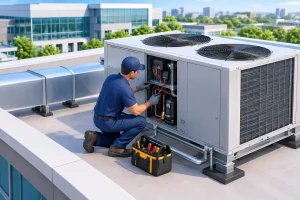
A simple replacement on a compatible, low-voltage HVAC system may stay near the lower end of that range. Costs can increase when a technician needs to run new wiring, add a common wire, install an adapter, correct existing control wiring, or configure a more complex system. Heat pumps, dual-fuel systems, zoning controls, humidifiers, whole-home ventilation equipment, and multi-stage furnaces all require more careful setup than a standard single-stage furnace and air conditioner.
The least expensive thermostat is not always the least expensive project. A unit that does not support your equipment can lead to a return trip, uncomfortable temperatures, or a system that runs when it should not.
What Changes the Price of Installation?
The thermostat itself is only one part of the equation. Your home’s existing equipment and wiring determine how much work is involved.
Existing thermostat wiring
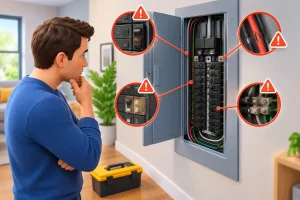
Many smart thermostats need a common wire, often called a C-wire, for steady power. Some homes already have one in place, making installation simpler. Others have unused wires tucked behind the thermostat, which can sometimes be connected and verified by a technician.
If there is no usable common wire, the solution may involve adding a power adapter or running new thermostat cable between the indoor unit and thermostat location. Running wire through finished walls, ceilings, or a difficult attic can add labor and materials to the job.
It is tempting to move wires around based on a color chart found online. Wire colors are not a guarantee, especially in older homes or systems that have been repaired over the years. A professional checks terminal labels, voltage, and equipment operation before making changes.
Type of heating and cooling system
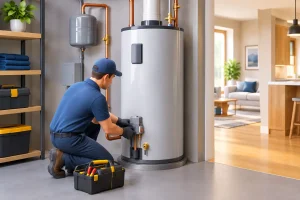
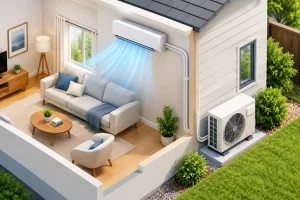
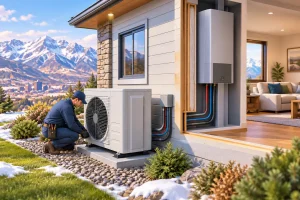
A conventional furnace and central air conditioner usually present the simplest installation. A heat pump needs correct configuration for heating stages, cooling stages, and auxiliary or emergency heat. If those settings are wrong, the home may rely on costly backup heat when it does not need to.
Homes with zoning systems need additional care. The thermostat must communicate correctly with the zone control panel, dampers, and equipment. The same goes for systems connected to humidifiers, dehumidifiers, ventilators, or indoor air quality accessories. Proper installation protects the comfort features you already paid for.
Thermostat features and setup time
A basic connected thermostat can handle remote temperature changes and schedules. Higher-end models may add occupancy sensing, energy reports, room sensors, voice-assistant compatibility, geofencing, and detailed alerts. Those features can be useful, but they take more time to configure around your household’s routines.
The installer should also set the system type, staging, temperature swing, fan settings, and heat pump controls correctly. This is where professional work pays off. The thermostat should do more than power on and connect to WiFi. It should control your equipment the way the manufacturer intended.
Home access and repair needs
Sometimes the thermostat is not the real problem. Weak low-voltage connections, a damaged control board, a clogged condensate safety switch, or an aging transformer can prevent a new thermostat from operating properly. A technician may identify a needed repair during the visit.
That does not mean every installation becomes a repair project. It means a clear diagnosis matters. You deserve to know what is required, what it costs, and why before work moves forward.
Is Professional Installation Worth It?
Do-it-yourself installation can make sense when you have a newer, standard system, a compatible thermostat, clearly labeled wiring, and confidence working with low-voltage controls. Even then, check the manufacturer’s compatibility requirements before purchasing the thermostat.
Professional installation is often the better choice for older homes, heat pumps, zoned systems, multi-stage equipment, or any setup with missing or confusing wiring. It is also a practical choice if you want the job done promptly before a summer heat wave or winter cold snap.
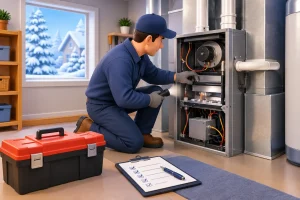
A trained technician can confirm compatibility before installation, provide or install the right thermostat, complete the wiring safely, test heating and cooling cycles, and show you how to use the controls. That last step matters. A smart thermostat only saves energy when its schedules and settings match the way you actually live.
How a WiFi Thermostat Can Lower Operating Costs
A WiFi thermostat does not automatically reduce your utility bill. Savings come from avoiding unnecessary heating and cooling while keeping the home comfortable when people are there. The best results usually come from consistent schedules and reasonable temperature setbacks, not extreme settings that force the system to work harder later.
For example, a family in Provo might set the temperature back slightly during school and work hours, then schedule comfort settings before everyone returns home. A property owner with a vacant rental can monitor temperatures remotely during cold weather and receive alerts if the home gets too cold. That can be especially valuable when a furnace problem could put plumbing at risk.
Keep expectations realistic. A thermostat cannot fix leaky ductwork, a failing furnace, an oversized air conditioner, or poor insulation. It is a control tool, not a replacement for maintenance or needed repairs. Pairing it with regular HVAC service gives you a better chance of improving comfort and controlling operating costs.
Questions to Ask Before You Schedule Installation
Before choosing a thermostat, find out whether it supports your exact equipment. The box may say it works with most systems, but that does not confirm it will work with every heat pump, accessory, or zoning setup.
Ask whether your current thermostat has a C-wire and whether a new wire or power adapter may be needed. Ask if the quoted price includes thermostat setup, WiFi connection, system testing, and a walkthrough of the app. If you are replacing an older thermostat because the system is acting up, ask for a diagnostic first. A thermostat replacement should not be used to guess at the cause of a heating or cooling problem.
For commercial spaces, the conversation should also include who needs app access, whether the thermostat can maintain separate schedules for business hours, and how settings will be protected from unnecessary changes.
When to Replace Your Thermostat
Consider an upgrade when your current thermostat is inaccurate, difficult to program, unable to support your newer HVAC equipment, or no longer reliable. It can also make sense during a furnace, air conditioner, or heat pump replacement, when controls can be selected and configured as part of the larger installation.
If your current thermostat is working well, there is no need to replace it simply because a newer model is available. The upgrade has the most value when it solves a real problem: uneven comfort caused by poor scheduling, frequent forgotten adjustments, a second home that needs monitoring, or a desire for better control over energy use.
Gillette Services can evaluate your wiring and HVAC equipment before recommending a WiFi thermostat option, so you are not paying for features your system cannot use or skipping details that affect performance.
A properly installed thermostat should make daily comfort easier, not give you another app to troubleshoot. Start with your equipment, your household routine, and a clear installation quote. That is the practical way to get smart controls that work when Utah weather changes fast.