A toilet that gurgles after you flush, while the shower drains, or when the washing machine runs is more than an annoying bathroom sound. Toilet gurgling causes usually come down to a drainage or venting problem that is changing the air pressure inside your plumbing. Sometimes the repair is straightforward. Other times, that bubbling sound is an early warning that a main sewer line is beginning to back up.
The key is noticing when the gurgling happens and whether other fixtures are involved. Acting early can help protect your floors, walls, and lower-level living spaces from a much messier drain problem.
Why a Toilet Gurgles in the First Place
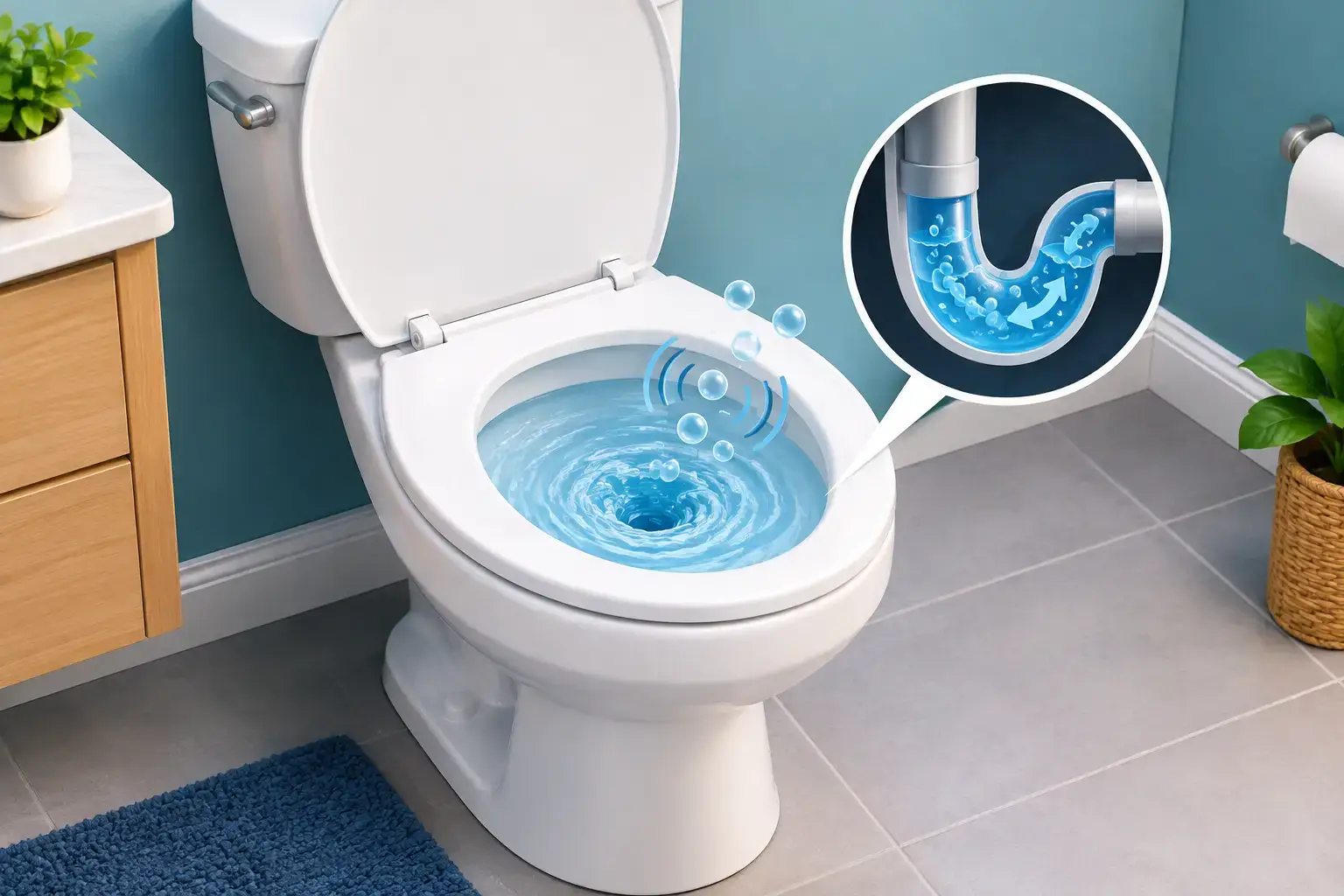
Your home’s drain system needs both moving water and moving air to work correctly. When wastewater travels down a pipe, it pushes air ahead of it and draws air behind it. Plumbing vents, which typically exit through the roof, give that air a safe path in and out of the system.
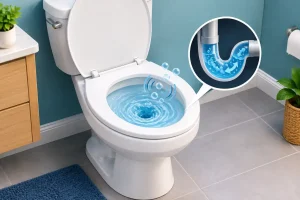
If a drain line is restricted or a vent is blocked, air looks for another way to move. The toilet bowl often becomes that path because it holds a visible pool of water. The result may be bubbles, a glugging noise, or water that rises and falls in the bowl.
A single brief gurgle is not always an emergency. Repeated gurgling, slow drains, sewer odors, or water appearing where it should not are all signs to take seriously.
Common Toilet Gurgling Causes
A partial clog in the toilet trap or nearby drain
A toilet does not need to be fully blocked to make noise. Toilet paper buildup, a flushed wipe, a small object, or even heavy use of paper products can partially obstruct the toilet’s built-in trap or the branch drain serving that bathroom. Water can still pass through, but not smoothly enough to maintain normal pressure.
This issue is most likely when only one toilet gurgles and nearby sinks or tubs are draining normally. A proper flange plunger may clear a simple toilet clog. If plunging does not improve the situation quickly, stop forcing it. Aggressive repeated flushing can turn a partial blockage into an overflow.
A clog farther down the branch line
When a toilet gurgles as the bathtub, shower, or bathroom sink drains, the restriction may be beyond the toilet itself. These fixtures often connect to the same branch drain. As water from one fixture passes a narrowed section of pipe, it can pull or push air through the toilet bowl.
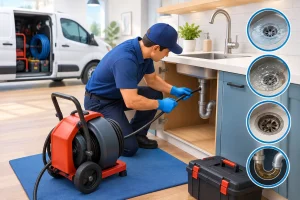
Hair, soap residue, mineral buildup, and debris can gradually reduce the inside diameter of a drain line. Older plumbing may also have rough pipe interiors that catch waste more easily. A professional drain cleaning can identify where the blockage is and clear it without guessing at the cause.
A developing main sewer line blockage
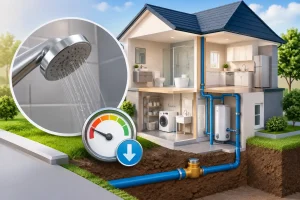
The main sewer line carries wastewater from the house to the municipal sewer connection or septic system. A blockage there affects more than one fixture, often starting with the lowest drains in the home.
Watch for a toilet that bubbles when the washing machine drains, a shower or tub that backs up after flushing, or multiple slow drains at once. In homes with a basement, the lowest bathroom, floor drain, or laundry area may show trouble first. This calls for prompt service, especially if wastewater is rising into a tub, shower, or floor drain.
Main line problems have several possible sources. Tree roots can grow into older sewer pipes through small joints or cracks. Pipes can sag, shift, break, or become clogged by grease and non-flushable materials. A camera inspection is often the best way to see what is actually happening before deciding whether cleaning, repair, or replacement makes sense.
A blocked plumbing vent
A vent blockage can create gurgling even when the drain pipe is relatively clear. Leaves, nesting material, snow and ice, or other debris may obstruct the roof vent. Without enough air entering the system, a draining fixture can create suction that disturbs the water in nearby toilet bowls and sink traps.
Vent issues may also cause sewer-like odors because the water in a trap can be pulled low enough to reduce its seal. Roof work and vent diagnosis can be hazardous, particularly in icy Utah weather. It is generally safer to have a qualified plumbing technician inspect the vent system rather than climbing onto the roof yourself.
Problems with a septic system
If your property uses a septic tank, gurgling can mean the tank is overdue for pumping or the drain field is not accepting wastewater properly. A full tank, saturated drain field, damaged baffle, or clogged outlet filter can restrict the system and force pressure back toward the house.
Avoid adding extra water to the system until the cause is known. Do not run several loads of laundry, take long showers, or keep flushing to test the toilet. Reducing water use can limit the chance of a backup while you arrange septic service.
What to Do When You Hear Gurgling
Start by observing, not repeatedly flushing. Check whether the toilet gurgles only after its own flush or when another fixture drains. Run a small amount of water at one fixture at a time and listen for changes. This information helps narrow down whether you are dealing with a local clog, a shared drain issue, or a main line problem.
If the water level in the toilet is normal and the issue seems limited to that toilet, try one or two careful plunges with a toilet plunger that has a flange. Keep enough water in the bowl to cover the plunger cup, create a good seal, and use firm, controlled strokes. If the toilet drains normally afterward and the gurgling stops, continue to monitor it.
Do not use chemical drain cleaners in a toilet or sewer line. They rarely solve a serious obstruction, can damage certain pipes and seals, and create a safety risk for anyone who later works on the drain. Avoid inserting a makeshift tool into the toilet as well. It is easy to scratch porcelain or push an object deeper into the line.
If you suspect a main sewer problem, limit all water use in the home. That includes dishwashers, washing machines, showers, and sinks. Every gallon sent down a drain can add to a backup if the sewer line cannot carry it away.
When Gurgling Needs Fast Professional Help
Call for drain service soon if the gurgling keeps returning, more than one fixture is slow, or the toilet water level changes on its own. Those symptoms do not always mean a major repair is ahead, but they are not problems to ignore.
Treat the situation as urgent when wastewater backs up into a tub, shower, sink, floor drain, or toilet. Sewer water can contain harmful bacteria, and it can damage flooring, drywall, furniture, and personal belongings. Keep people and pets away from the affected area, avoid using plumbing fixtures, and have the drain line evaluated as quickly as possible.
A professional diagnosis should start with the symptoms and the home’s plumbing layout, not an automatic recommendation for major work. Depending on the situation, the right solution could be toilet augering, drain snaking, hydro jetting, vent repair, or a sewer camera inspection. Each option has a place. For example, hydro jetting can remove heavy buildup effectively, but a technician should first confirm that an older or damaged pipe can handle the process.
Preventing Future Drain and Vent Problems
The easiest prevention habit is also the most effective: flush only human waste and toilet paper. Wipes labeled flushable, paper towels, facial tissues, cotton products, dental floss, and hygiene items do not break down like toilet paper. They can collect in bends, snag on rough spots, and contribute to stubborn line blockages.
Keep grease, food scraps, and coffee grounds out of kitchen drains, since a main sewer line serves the whole home. If your property has mature trees near the sewer route or a history of recurring backups, scheduled camera inspections and maintenance may prevent an inconvenient surprise. For septic systems, follow a pumping schedule based on household size, tank capacity, and local guidance.
A gurgling toilet is your plumbing system asking for attention. A quick check may catch a simple clog, while fast professional help can prevent a drain issue from becoming a sewage cleanup. Gillette Services can help Utah homeowners identify the cause, clear the line, and get the bathroom working normally without the runaround.